How XPEL PPF Self-Healing Technology Actually Works: The Science Behind the Film
You've probably heard someone mention self-healing paint protection film and thought, wait, is that actually a real thing? It sounds a little too good to be true. A film that fixes itself after getting marked up? Yeah, it's real. And once you understand how it works, it makes a lot of sense.
XPEL PPF self-healing technology is one of the more interesting things happening in vehicle protection right now. It's not magic, though it kind of feels like it the first time you see it happen. The whole thing comes down to materials science, specifically how the top coat of the film responds to heat. That's what this post covers. We'll break it down in plain terms so you know exactly what you're investing in before you book.
At
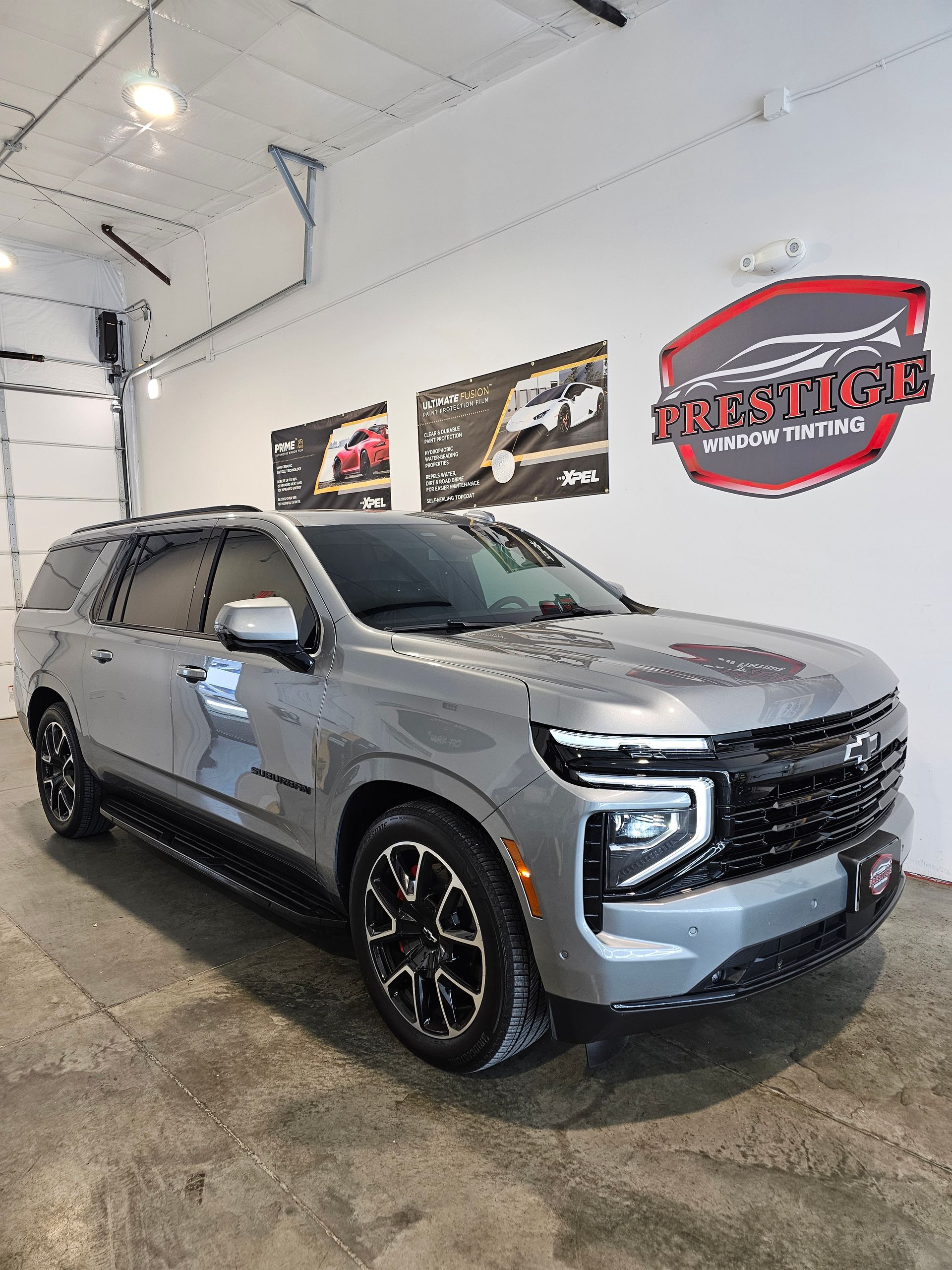
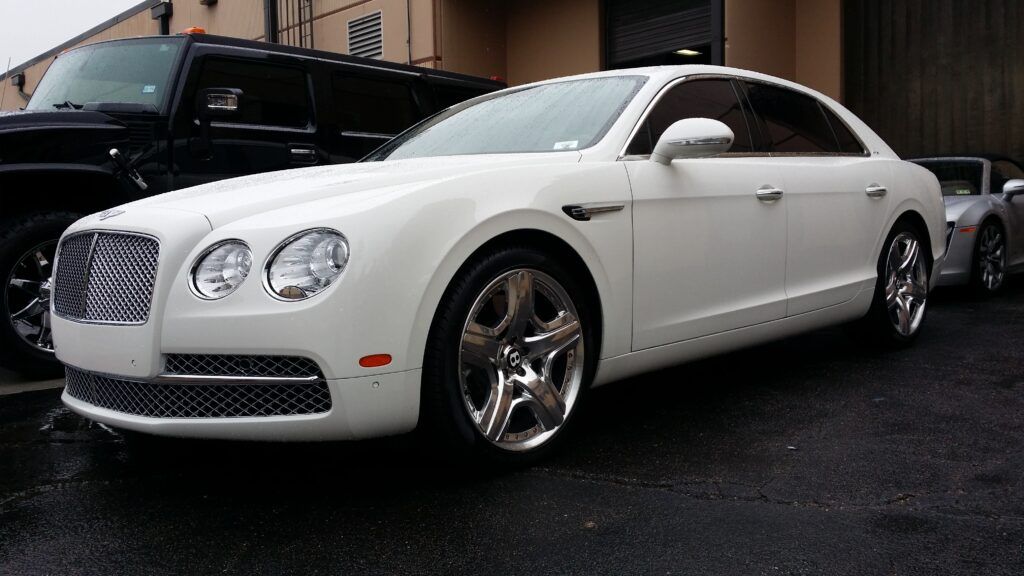
Prestige Window Tinting in Cypress, TX, we install XPEL PPF on all kinds of vehicles, from daily SUVs to high-end exotics. We get this question a lot. How does it actually work? So here's the honest, clear answer.
What Paint Protection Film Is Made Of
Before getting into the self-healing part, it helps to understand what PPF actually is at a basic stage.
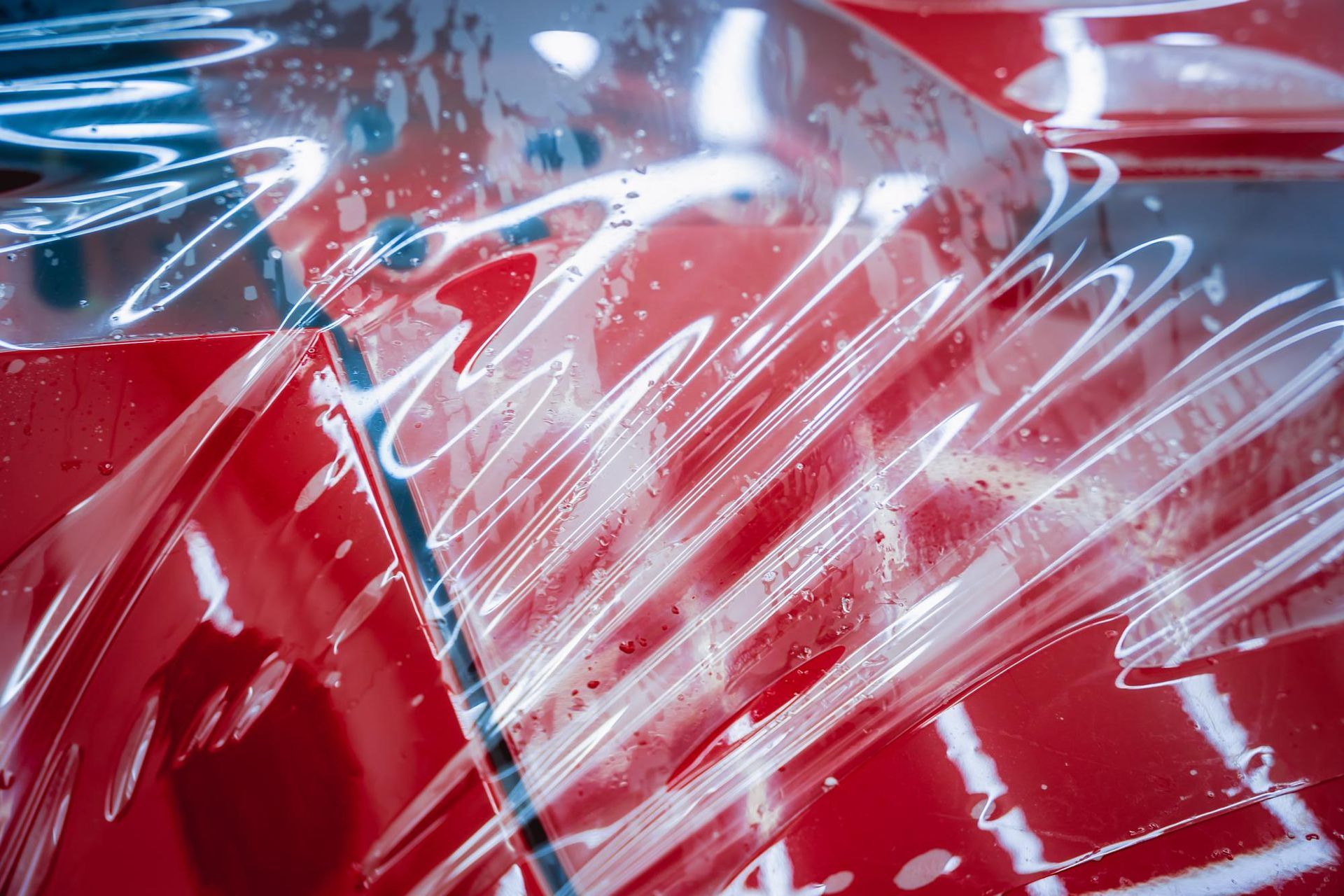
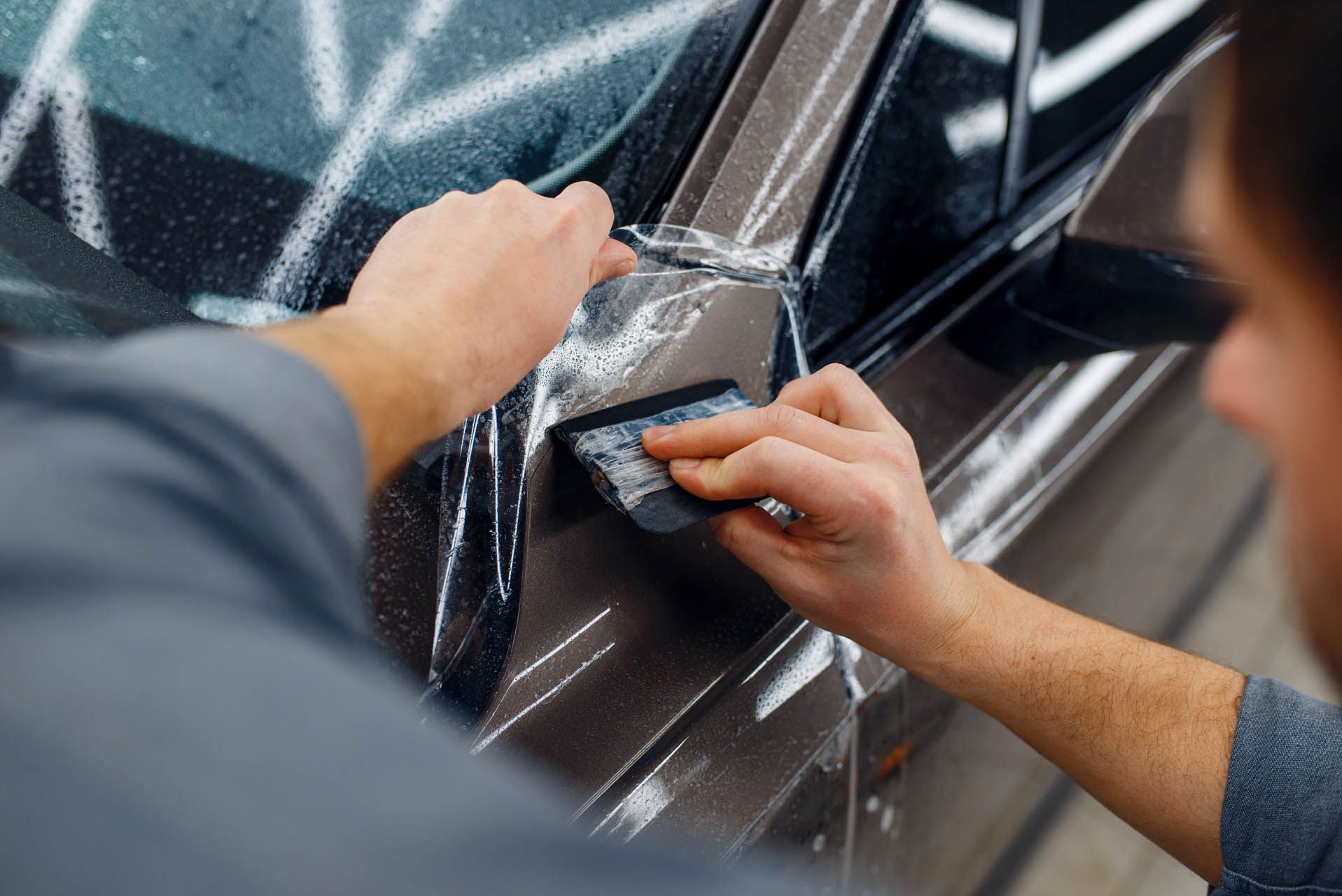
Paint protection film is a multi-layer film product. In general, quality PPF films are built around a flexible, impact-resistant core material that can stretch and absorb hits without cracking or shattering. That's what makes it work so well against rock chips and road debris.
Here's what the general layer structure looks like across quality PPF films:
- A clear top coat that handles self-healing and UV resistance
- A flexible core layer that handles impact protection
- A bonding layer that attaches the film to your paint
- A protective liner that gets peeled off during installation
The top coat is where all the self-healing behavior comes from. That's the part worth understanding.
How the Self-Healing Top Coat Actually Works
This section gets into the meat of it, but don't worry, it's not complicated.
The top coat on quality PPF films, including XPEL, is made from a material with elastic properties. When the surface gets a minor mark, the top coat gets displaced. Pushed out of its natural position. Not broken, not penetrated. Just displaced.
Heat is what brings it back.
When the film is exposed to heat, whether that's direct Texas sunlight in a parking lot or warm water, the top coat material becomes more mobile. It loosens up and returns toward its original smooth shape on its own. The surface gradually works itself back to a flat, unmarked appearance.
In Texas specifically, this happens pretty readily. You park outside on a hot afternoon and minor marks that were there in the morning can be largely gone by the time you come back. The heat does the work. You don't have to do anything.
What XPEL PPF Self-Healing Fixes and What It Won't
This is the part that matters most for setting real expectations before you invest.
Self-healing technology works on surface contact with the film's top coat. It works well on:
- Minor surface marks from everyday contact
- Swirl marks from car washes or improper cleaning
- Light surface abrasion from regular use
- Fine scuffing on the film's outer surface
What it does not fix:
- Deep cuts or gouges that go through the top coat entirely
- Heavy impact from significant road debris
- Damage that reaches the core layer of the film
- Any damage to the vehicle's original paint underneath
Think of it this way. The film is designed to handle the kind of everyday surface contact that adds up on any vehicle over time. Minor marks from regular driving and regular life. That's the territory where self-healing genuinely earns its place.
For harder impacts, the film still does its job by absorbing the hit and protecting your paint. The film itself might take some damage in that case, but that's exactly what it's there for.
Why Texas Conditions Make This Worth It
Most of the country gets some relief from intense sun in the winter months. Texas, not so much.
UV exposure in the Houston and Cypress area runs year-round. That means vehicle paint is under consistent UV stress all twelve months, which is exactly what causes fading and discoloration over time. It also means the heat that activates self-healing in PPF is working in your favor pretty much every day you park outside.
Add to that the road conditions. Construction debris, gravel spray, bug splatter at highway speeds. These are daily realities for Houston-area drivers. Minor surface accumulation over time is just part of driving here. Self-healing film is a practical answer to that very real problem.
Vehicles with PPF in the Texas sun get the benefit of heat activation regularly, just from normal outdoor parking. That's not something you'd get as reliably somewhere with milder weather.
How XPEL PPF Gets Installed at Prestige Window Tinting
Good film installed well is what actually makes the technology perform the way it should over time. Installation quality matters just as much as film quality.
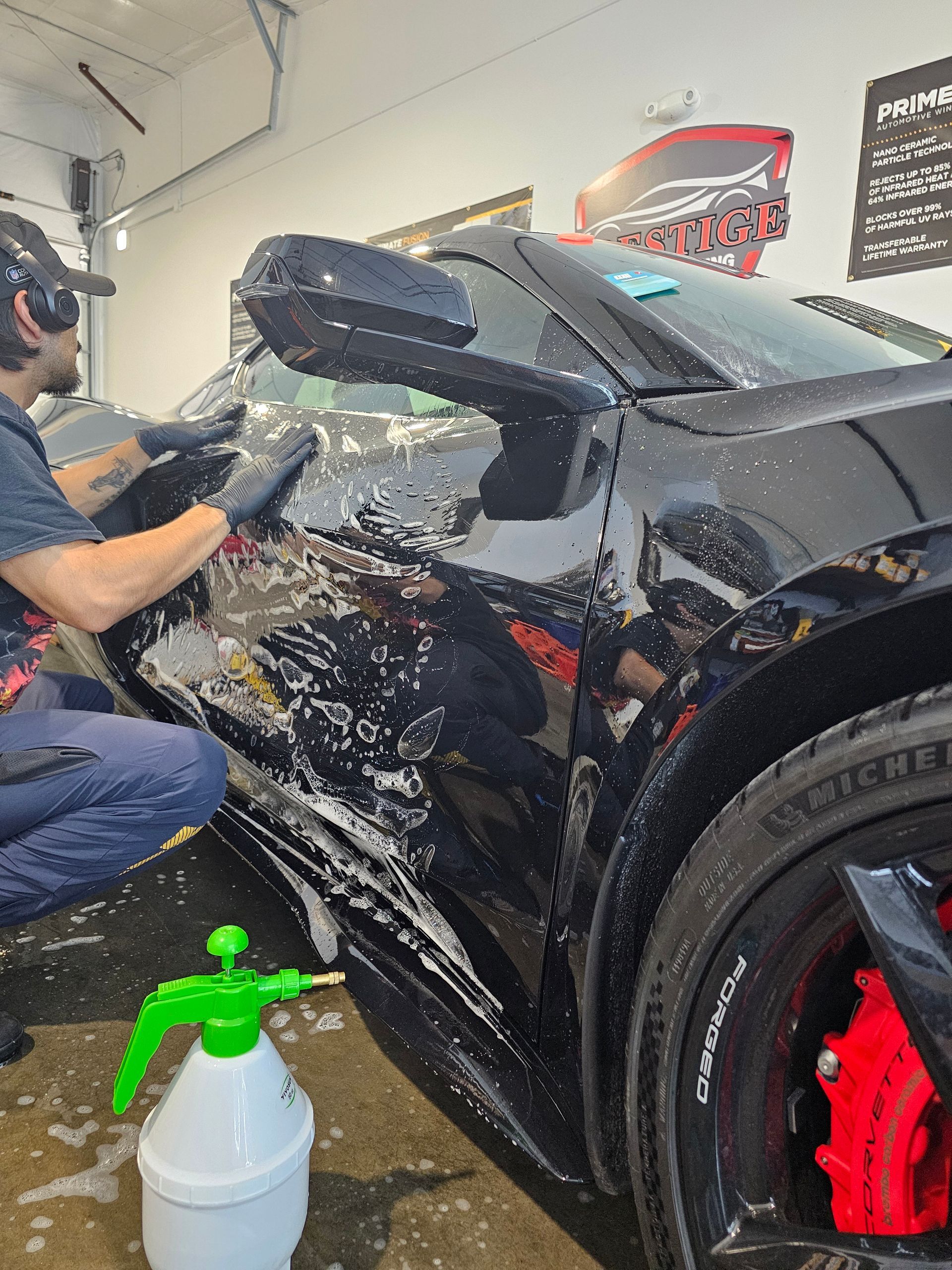
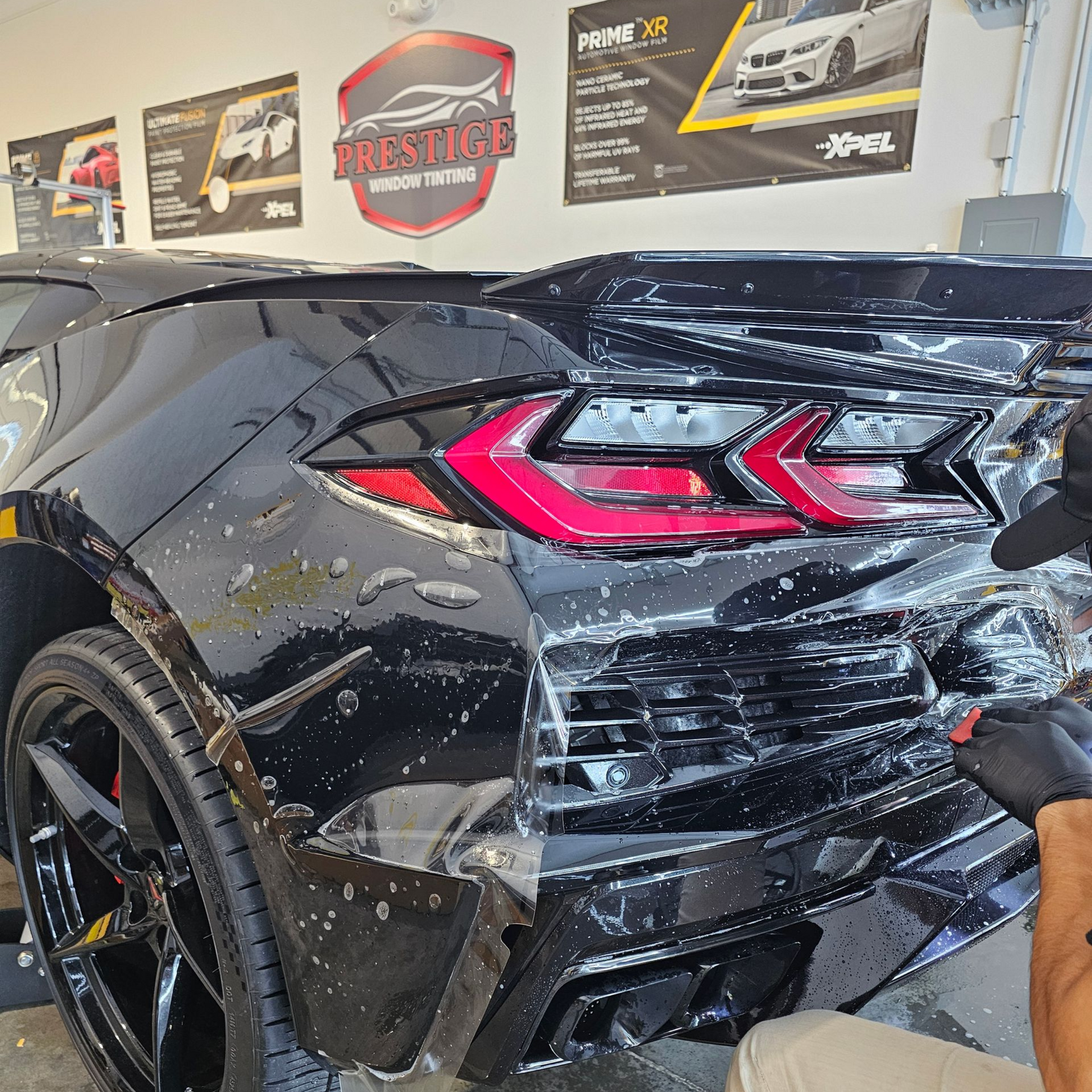
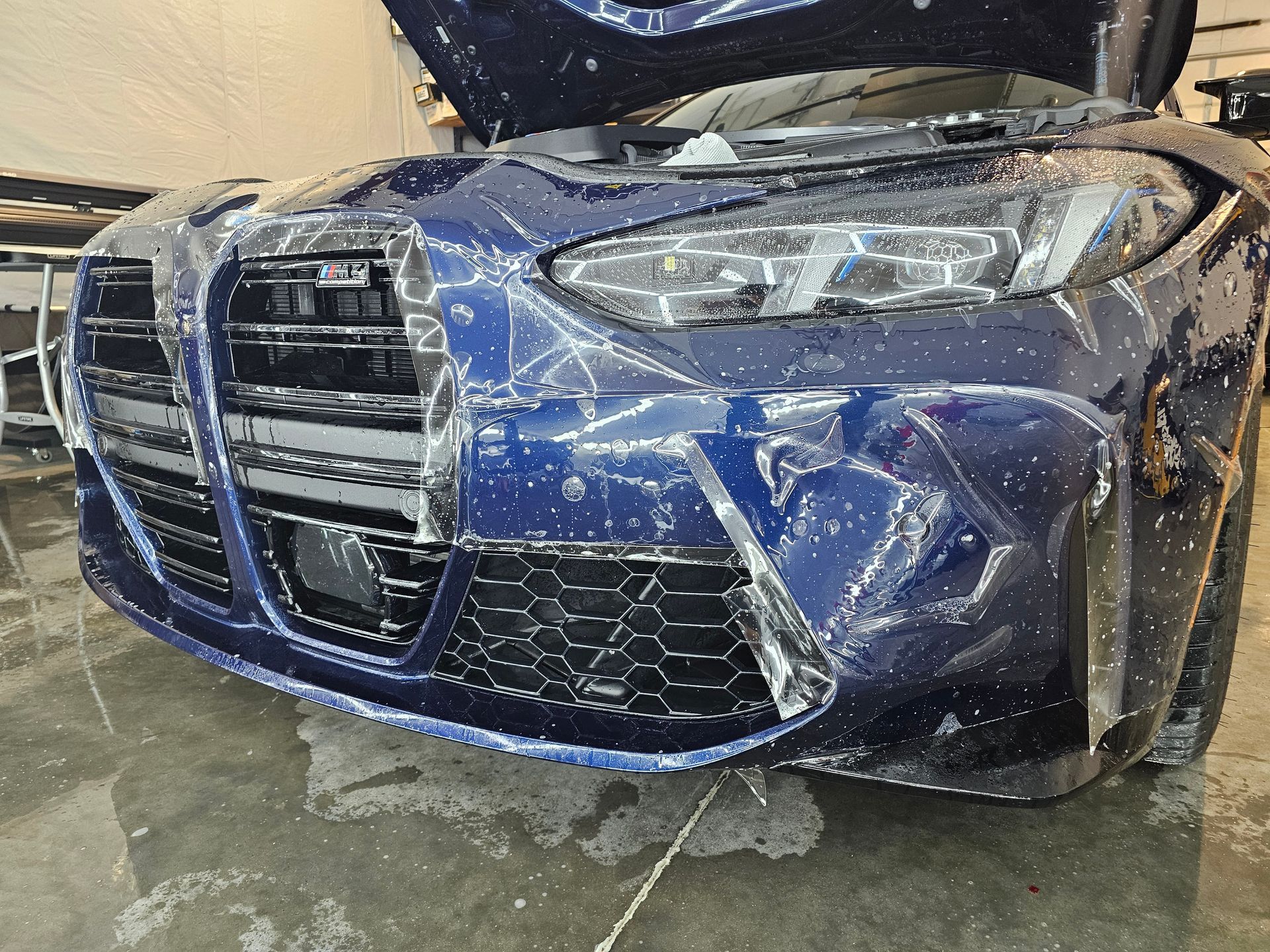
At Prestige Window Tinting, every PPF install uses computer-cut software matched to your vehicle's exact specifications. The film is cut before it ever touches your paint. No hand-trimming on the vehicle. Every install also happens in a temperature-controlled environment, which means a cleaner, more controlled application from start to finish.
That combination of the right film and the right process is what lets
XPEL PPF self-healing technology do what it's designed to do for the long haul.
Sands of Time
Button
Ready to See What XPEL PPF Can Do for Your Vehicle?
If you've been on the fence about paint protection film, hopefully this gives you a clearer picture of what you're actually getting. It's real technology with real science behind it. And in Texas driving conditions, it's one of the more practical things you can do for a vehicle you care about.
Check out our Cypress PPF service page for full package details and installation information. Take a look at our Houston PPF page to see how we serve drivers across the metro.
When you're ready to book or just want to talk through your options, visit Prestige Window Tinting or schedule your appointment and we'll figure out the right coverage for your vehicle.
Frequently Asked Questions About XPEL PPF Self-Healing Technology
Does self-healing PPF actually work, or is it just a marketing claim?
It's a real thing. The self-healing behavior comes from the elastic properties of the film's top coat. When the surface gets a minor mark, the top coat is displaced rather than broken. Heat, whether from sunlight or warm water, gives the material enough mobility to return to its original smooth position. It works gradually and performs best on minor surface contact rather than heavy impact damage. Most drivers who have XPEL PPF notice it working on its own just from regular outdoor parking in warm weather, which in Texas is most of the year.
How much heat does it take to trigger self-healing?
Not much at all. Warm water or natural sunlight is enough for most minor surface marks to recover on their own. You don't need to do anything special. Parking your vehicle outside on a warm Texas day is usually sufficient for the process to happen. If you want to move things along, pouring warm water directly on the affected area works well too. Worth knowing: this is a gradual process. Minor marks may fade over a few hours or a full day, not the instant heat is applied. That's normal and expected.
Will the self-healing top coat wear out over time?
The elastic properties of the top coat are built into the material itself, not a separate coating that gets used up or worn away. That said, like any material, it has limits. Very frequent heavy abrasion over a long period will affect it more than regular everyday use. Taking proper care of the film after installation helps it maintain those properties for as long as possible. That includes following the recommended 7-day wait before washing after the install and using reasonable cleaning practices going forward to avoid unnecessary surface contact.
Can I tell where the PPF ends and my paint begins after installation?
In most cases, no. XPEL PPF is virtually invisible once it's properly installed. The film is transparent and blends with your vehicle's existing paint without changing the color, finish, or appearance in any noticeable way. When it's installed using computer-cut software matched to your vehicle's exact specs, the edges follow the natural contours of the panels and are minimal. Most drivers say they genuinely forget the film is there, which is kind of the whole point of a protection product that's supposed to work without drawing any attention to itself.
Is XPEL PPF worth it for a vehicle that already has some surface wear?
PPF protects the paint surface as it is at the time of installation. If there's existing damage underneath, the film goes over it rather than fixing it. For vehicles in good shape with newer paint, PPF is a solid way to stop additional wear from building up going forward. For vehicles with more noticeable existing wear, it's worth talking through your options before booking. Either way, the self-healing technology works on the film's own surface from day one regardless of what's underneath, so you still get full protection on the film itself right away.