XPEL Prime XR Black vs XR Plus: Which Automotive Film Is Right for Your Vehicle?
You've already done the research. You know you want XPEL. Now comes the part that trips up a lot of vehicle owners: choosing between XPEL Prime XR Black and XPEL Prime XR Plus. Both are nano-ceramic automotive films. Both reject heat, block UV, and preserve outbound visibility. So what's actually different, and does it matter for your specific vehicle?
Well, it doesn't matter. And the answer isn't always "go with the higher-performing one." The right film depends on what you're driving, how you use it, and what you're trying to get out of the install. After 25+ years of installing XPEL films on everything from daily trucks to Lamborghinis and Ferraris, the team at Prestige Window Tinting has walked a lot of vehicle owners through this exact question.
This post breaks down the real differences between the two films so you can make a confident decision before you book.
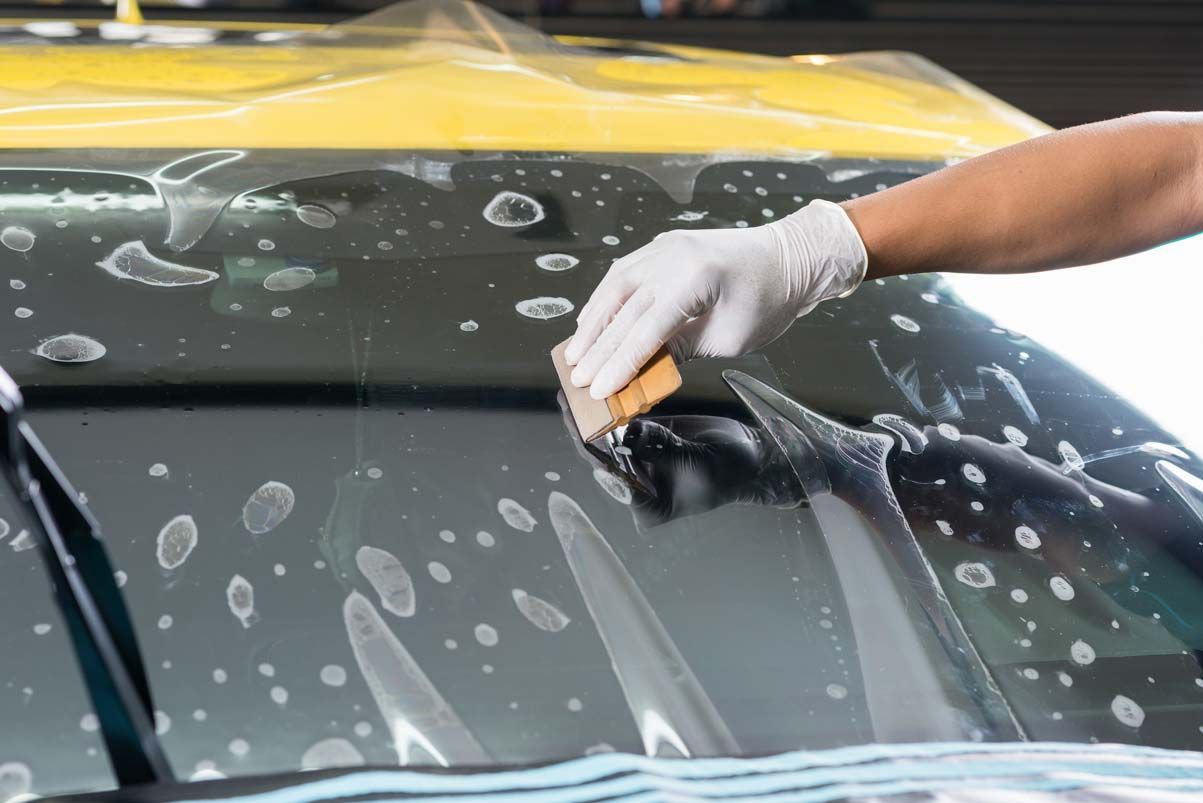
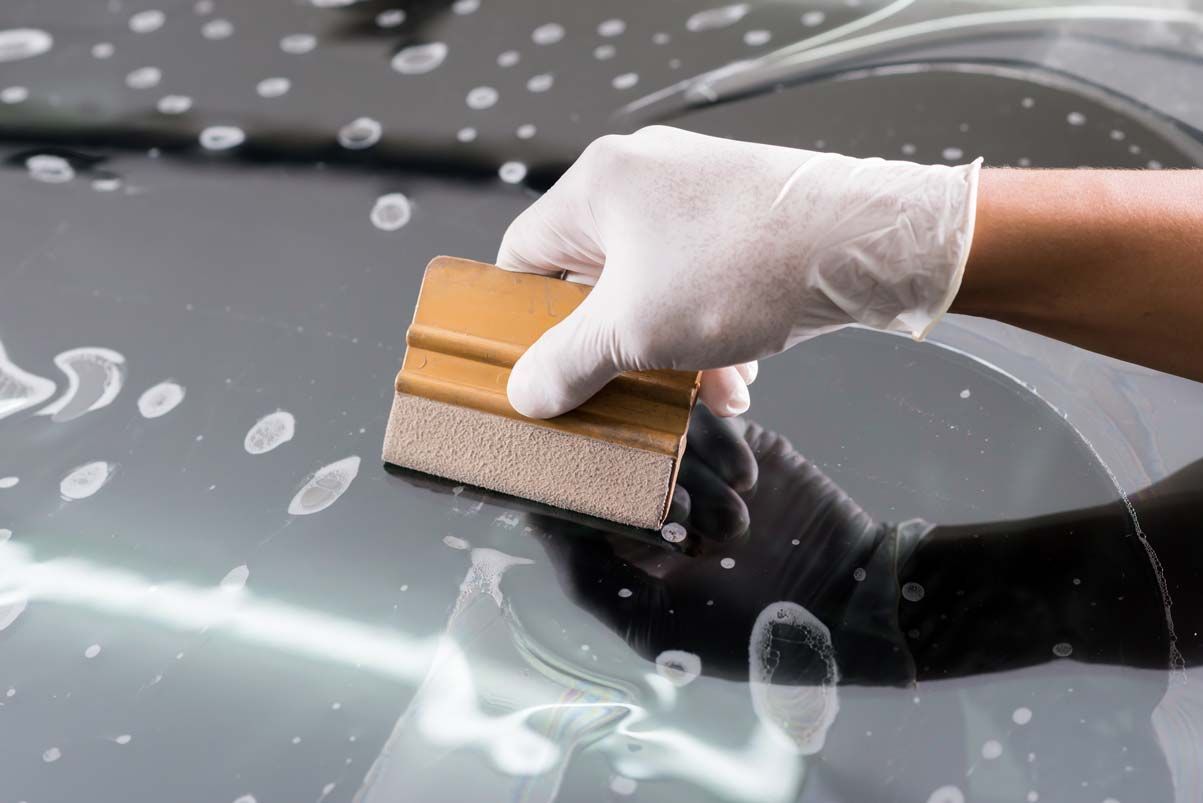
A Quick Look at Both Films
Before getting into the specifics, here's where each film sits in the XPEL lineup:
XPEL Prime XR Black is a nano-ceramic film engineered for high heat rejection, clear outbound visibility, and zero signal interference. It's a strong performer built for drivers who want serious protection and a clean, finished look.
XPEL Prime XR Plus is the multi-layered nano-ceramic version, sitting at the top of the XPEL automotive film lineup. It pushes heat rejection performance further while maintaining the same clarity and signal transparency that XR Black delivers.
Both are exclusively designed for automotive use. Both are available in the same VLT options. And both are installed using XPEL DAP computer-cut software for a precise, custom fit on your vehicle. The difference is in how far each film takes the performance.
Heat Rejection: Where the Real Difference Lives
This is the number that matters most for Texas drivers, and it's where XR Black and XR Plus actually separate.
XPEL Prime XR Black delivers 80% infrared heat rejection. That's a meaningful number. It keeps your cabin noticeably cooler, reduces how hard your AC has to work, and cuts down the heat buildup that makes getting into a parked vehicle so unpleasant on a summer afternoon.
XPEL Prime XR Plus delivers 98% infrared heat rejection. That's not a small step up. The multi-layered nano-ceramic construction is specifically designed to block infrared heat before it enters your cabin. The result is a more dramatic difference in cabin temperature, particularly on vehicles with large glass surface areas or vehicles that spend extended time parked outdoors.
To put it plainly: XR Black is excellent. XR Plus is exceptional. If maximum heat protection is your priority, XR Plus delivers it. But if XR Black's 80% rejection rate already handles what you need, there's no obligation to go higher.
Clarity and Outbound Visibility
One of the things that sets both XPEL films apart from older tint technology is how little they affect what you can see through the glass. Neither film clouds your view or creates distortion from inside the cabin.
XPEL Prime XR Black is described on the XPEL product line as providing greater clarity without compromising outbound visibility. You get a darker, more private appearance from the outside while maintaining a clean, clear view from inside the vehicle.
XPEL Prime XR Plus takes an ultra-high performance approach without compromising outward views. Despite its higher heat rejection capability, it doesn't darken the interior view or reduce clarity in the way you might expect from a higher-performing film.
In practical terms, both films look great and feel comfortable from the driver's seat. Clarity is not a trade-off with either option.
VLT Options: Both Films Give You the Same Range
VLT stands for visible light transmission, and it determines how dark or light your tint appears. A lower VLT means a darker tint. A higher VLT keeps things close to factory glass appearance.
Both XPEL Prime XR Black and XPEL Prime XR Plus are available in the same six VLT options:
- 5 - Very dark, maximum privacy
- 15 - Dark with strong privacy
- 20 - Popular choice for rear glass
- 30 - Balanced shade, works well across all windows
- 55 - Light shade, near-stock look
- 70 - Lightest option, minimal visible change
This is worth pointing out because the VLT choice and the film choice are two separate decisions. You can get XR Black in a 5% shade or a 70% shade. The same goes for XR Plus. The shade you pick affects how the vehicle looks and how much privacy you get. The film you pick affects how much heat and UV it blocks. Both decisions matter, and they're independent of each other.
When you come in, we'll walk you through the legal VLT requirements for your specific vehicle type under Texas law and help you find a shade that works for both your preferences and the regulations.
Signal Interference: Not an Issue with Either Film
This is a concern that comes up often, in particular from drivers with newer vehicles loaded with technology. Older metallic-based tints were notorious for disrupting GPS signals, Bluetooth connectivity, and cellular reception.
XPEL Prime XR Black's nano-ceramic construction is designed with zero signal interference. Radio, cellular, and Bluetooth connectivity are not affected. Your navigation, hands-free calls, and wireless features all work exactly as they did before the install.
XPEL Prime XR Plus carries the same characteristic. The ceramic construction is transparent to radio frequencies regardless of VLT shade. So whether you're in a Tesla, a BMW, a Porsche, or any other vehicle with integrated wireless systems, you won't notice any change in connectivity after the install.
Which Film Is the Better Fit for Your Vehicle?
Here's the honest answer: both films are excellent, and neither is universally the right choice. Here's how we typically guide Cypress and Houston area vehicle owners through this decision.
XR Black May Be the Right Fit If:
- You drive a daily vehicle - a truck, sedan, or SUV - and want strong, reliable heat rejection without going to the top of the lineup
- You prioritize UV protection and glare reduction alongside heat rejection
- You want a high-performance nano-ceramic film and XR Black's 80% infrared heat rejection covers what your vehicle needs
XR Plus May Be the Right Fit If:
- You own a luxury or high-performance vehicle - a Porsche, Lamborghini, Ferrari, or similar - and want the film to match the quality of the vehicle itself
- Your vehicle has a panoramic sunroof or large glass panels that allow more heat into the cabin
- You park outdoors for extended periods during hot Texas summers and want the most aggressive heat protection available
- You simply want the best the XPEL automotive lineup offers and are not willing to settle for anything less
There's no wrong answer. Both films perform well above what most vehicle owners have experienced with previous tint installs. The conversation we have with customers before every install is designed to make sure you walk away with the option that actually fits your situation.
Why the Installation Matters as Much as the Film
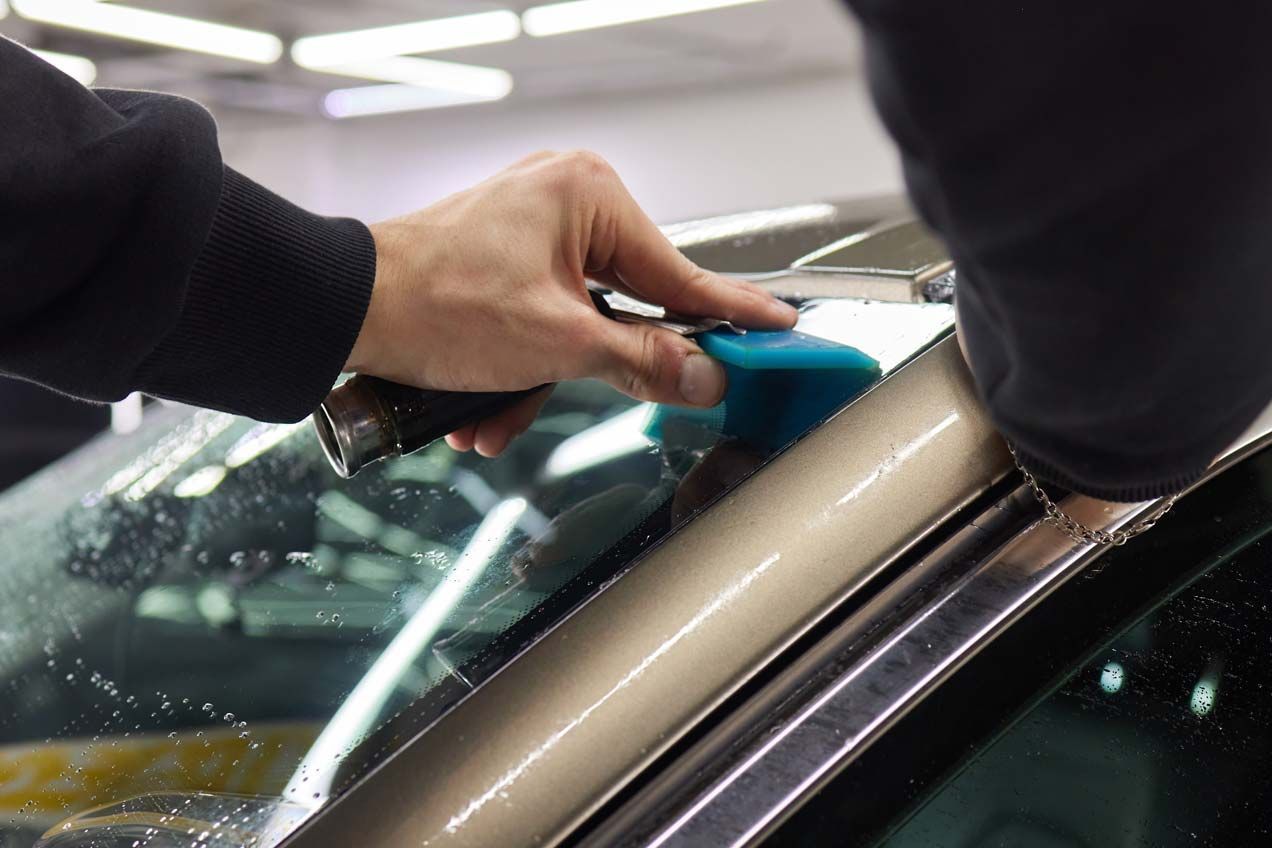
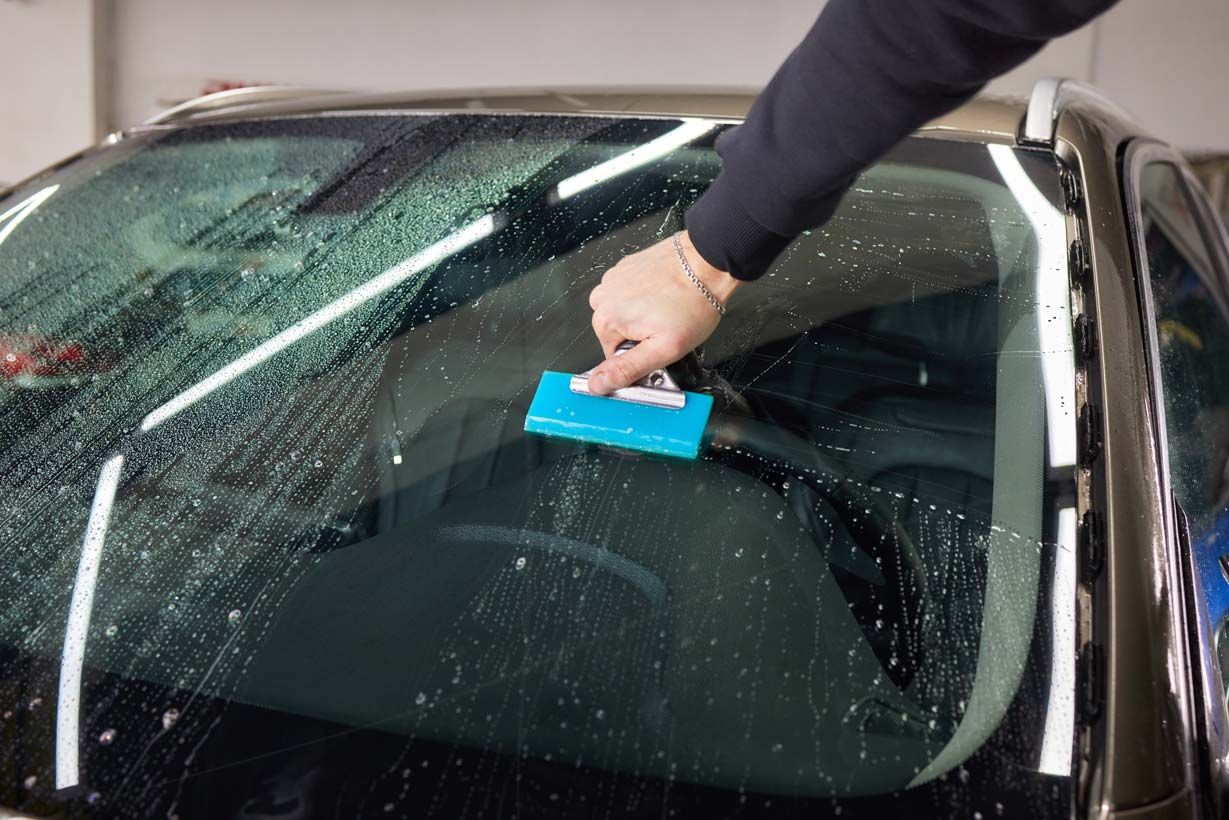
Choosing the right film is only half of it. Even a high-performance nano-ceramic film will fall short if the installation isn't done with precision and care.
At Prestige Window Tinting, every install uses XPEL DAP computer-cut software. Your vehicle's exact year, make, and model are used to generate a precise cut pattern before the film touches your glass. No hand-trimming on the window. No improvised fitting. Just a clean, accurate install that performs the way the film was designed to perform.
That combination of the right film and the right installation process is what actually delivers the results you're investing in.
Ready to Choose Your XPEL Film?
If you're still weighing the two options, the best next step is a conversation. Our team at Prestige Window Tinting has 25+ years of experience installing both films across a wide range of vehicles and can give you a straightforward recommendation based on your specific make, model, and goals.
Take a look at our Cypress automotive window tinting service page to see both XPEL film packages in detail, or check out how we serve Houston area vehicle owners with the same installation approach.
When you're ready to book or just want to ask a few questions, reach out to the Prestige team, and we'll help you get the right film on your vehicle.
Frequently Asked Questions
Is XPEL Prime XR Plus always the better choice over XR Black?
Not necessarily. XR Plus delivers higher infrared heat rejection at 98% compared to XR Black's 80%, but that doesn't make it the automatic right choice for every vehicle. Drivers who want strong performance without going to the top of the lineup often find XR Black more than enough for their needs. The decision really comes down to your vehicle type, how you use it, and how much heat rejection matters to your daily experience. Both films are excellent - one just pushes the performance ceiling further.
Do both films come in the same VLT options?
Yes. XPEL Prime XR Black and XPEL Prime XR Plus are both available in VLT options of 5, 15, 20, 30, 55, and 70. VLT controls how dark or light the tint appears, while the film itself determines heat and UV rejection performance. You can mix and match shade and film independently, which gives you a lot of flexibility in dialing in exactly the look and performance level you want for your vehicle.
Will either film interfere with my vehicle's electronics or wireless signals?
No. Both XPEL Prime XR Black and XPEL Prime XR Plus use nano-ceramic technology that is transparent to radio frequencies. GPS, Bluetooth, cellular, and any other wireless systems in your vehicle will not be affected by either film. This is one of the key advantages nano-ceramic films have over older metallic-based tints, which were a real problem for modern vehicles with integrated wireless technology.
Can I get XR Plus on just the front windows and XR Black on the rear?
That's worth discussing with us directly when you come in. Every vehicle and every installation is a bit different. The goal is always to make sure the result looks consistent and performs well across all the glass on your vehicle. When you book your appointment, we'll talk through your specific situation and help you figure out the approach that makes the most sense.
How do I know which VLT percentage is legal for my vehicle in Texas?
Texas has specific VLT requirements depending on which windows are being tinted and what type of vehicle you're driving. For front side windows, at least 25% of light must pass through. Rear and back side windows have more flexibility. Every installation at Prestige Window Tinting is done in compliance with Texas tint law for your specific vehicle type, so you don't have to figure out the regulations on your own. We'll walk you through it when you book.