The Real Cost of Skipping Paint Protection Film: What Happens to Unprotected Paint
Here is the question a lot of new vehicle owners ask themselves right after buying: do I really need paint protection film? The vehicle looks perfect. The dealership probably mentioned PPF. It felt like an upsell. So the easy answer is to skip it for now and see how things go.
Most of the time, things go fine for a while. The paint looks good for the first few months. And then, gradually, it doesn't. Not dramatically. Just slowly, the way most paint damage works. A chip here. A surface mark there. A slightly duller look that's hard to pinpoint but impossible to ignore once you notice it.
This post is not here to alarm you. It's here to show you what actually happens to unprotected paint on Texas roads over time, so you can make an informed decision about whether paint protection film is worth it for your vehicle. The real cost of skipping PPF is rarely a single incident. It's accumulated damage that builds up faster than most drivers expect.
Stage One: The First Rock Chip
It happens on the highway. You're following another vehicle and a piece of gravel kicks up and hits your hood or bumper. You might not even notice it until later. When you do, it's a small chip in the paint - just a few millimetres, but enough to leave the surface exposed.
That chip on its own seems minor. And honestly, it is. But a few things happen from that point:
- The exposed area is now open to UV and everyday environmental contact
- More chips tend to follow, because vehicles driven regularly on Texas highways see this kind of debris consistently
- Each new chip adds to the visible wear that accumulates across the front panels over time
Rock chips and road debris are the most immediate and visible type of paint damage for Houston area drivers. Construction zones, gravel shoulders, and highway debris are part of everyday driving here, and unprotected paint takes every hit directly.
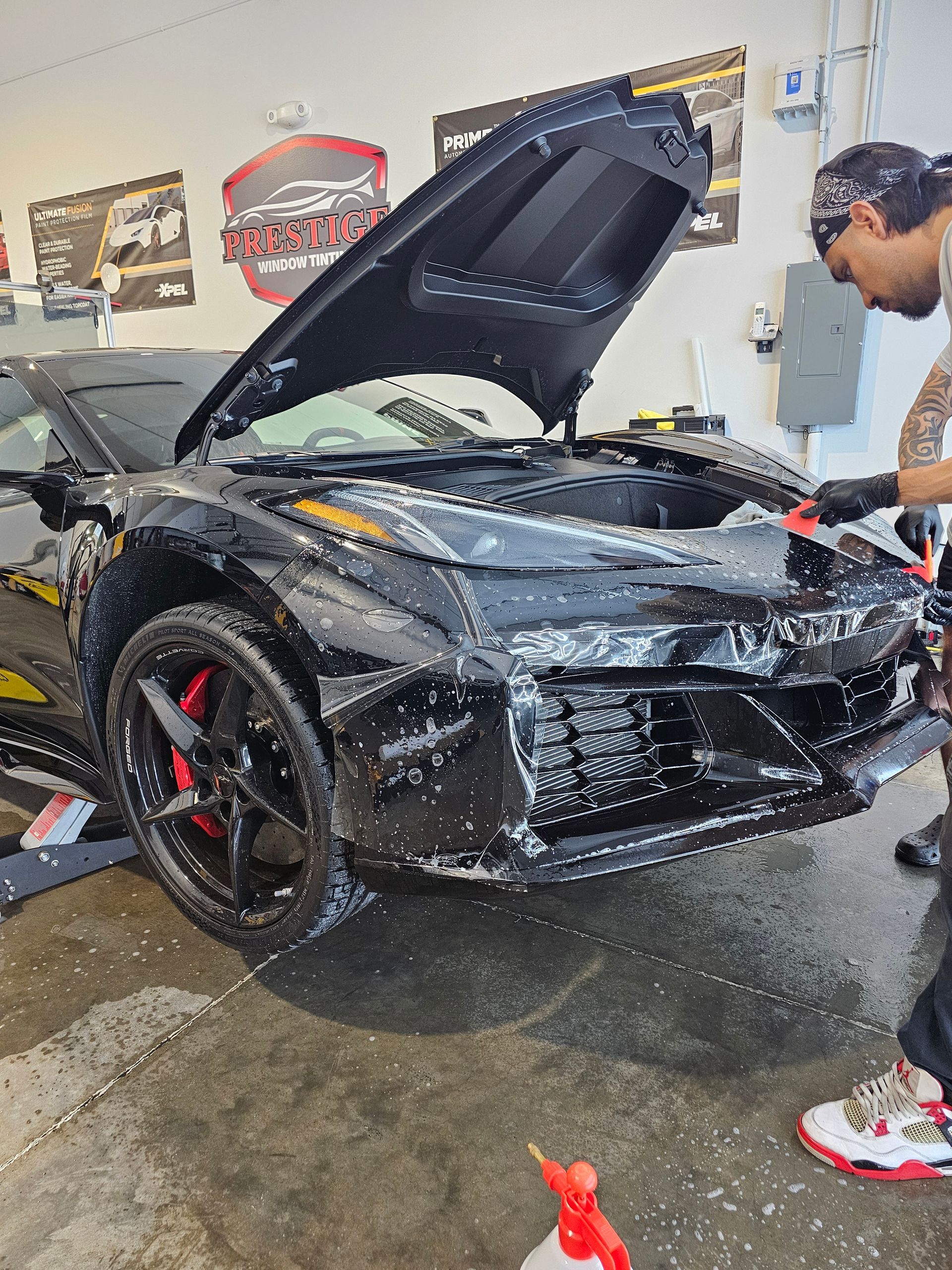
This is what XPEL PPF was built to address. The film absorbs the impact from road debris before it reaches your paint surface. Your factory finish underneath stays clean and intact.
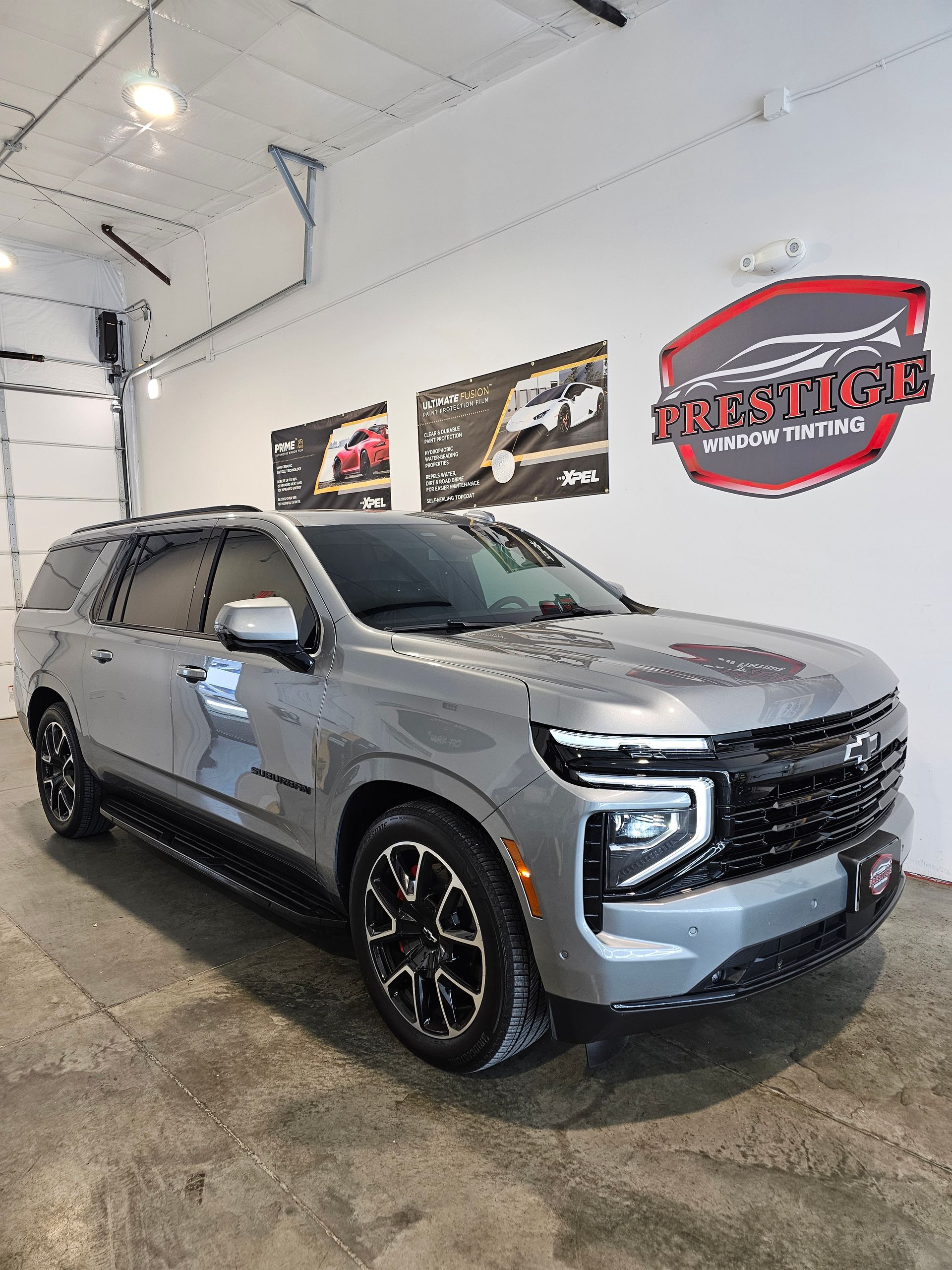
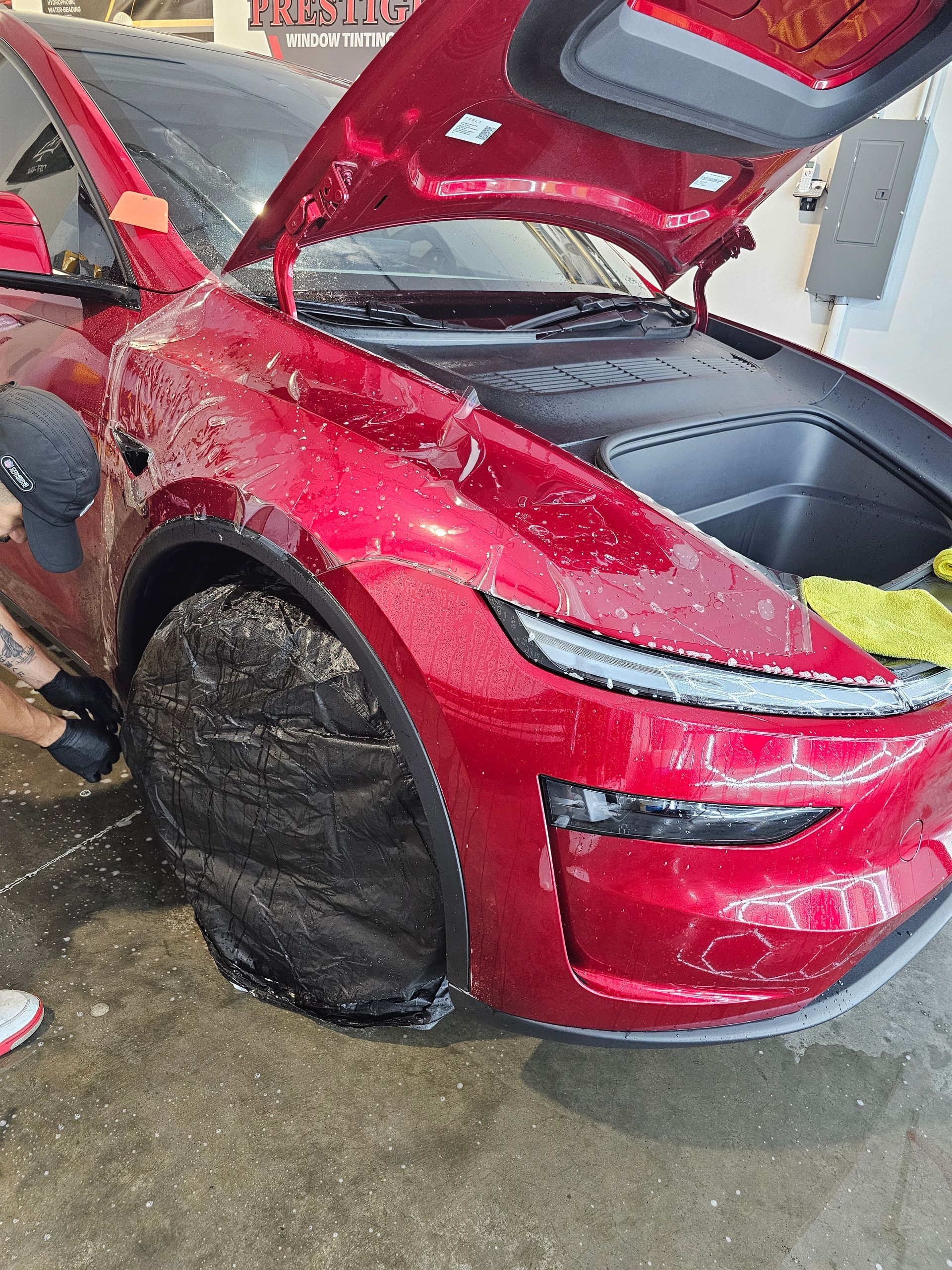
Prestige Window Tinting installs XPEL PPF on all vehicle types across the Cypress and Houston area.
Stage Two: Surface Marks and Swirl Marks
After a few months, something else begins showing up - particularly noticeable in direct sunlight. Swirl marks in the paint. Light surface marks that weren't there when you drove the vehicle off the lot.
These come from everyday contact: automated car washes, improper washing technique, or minor contact in parking lots. None of these incidents feel significant at the time. Cumulatively, they dull the finish and make the paint look older than the vehicle actually is.
Unprotected paint has no way to recover from these. Once the surface is marked, it stays that way without professional intervention.
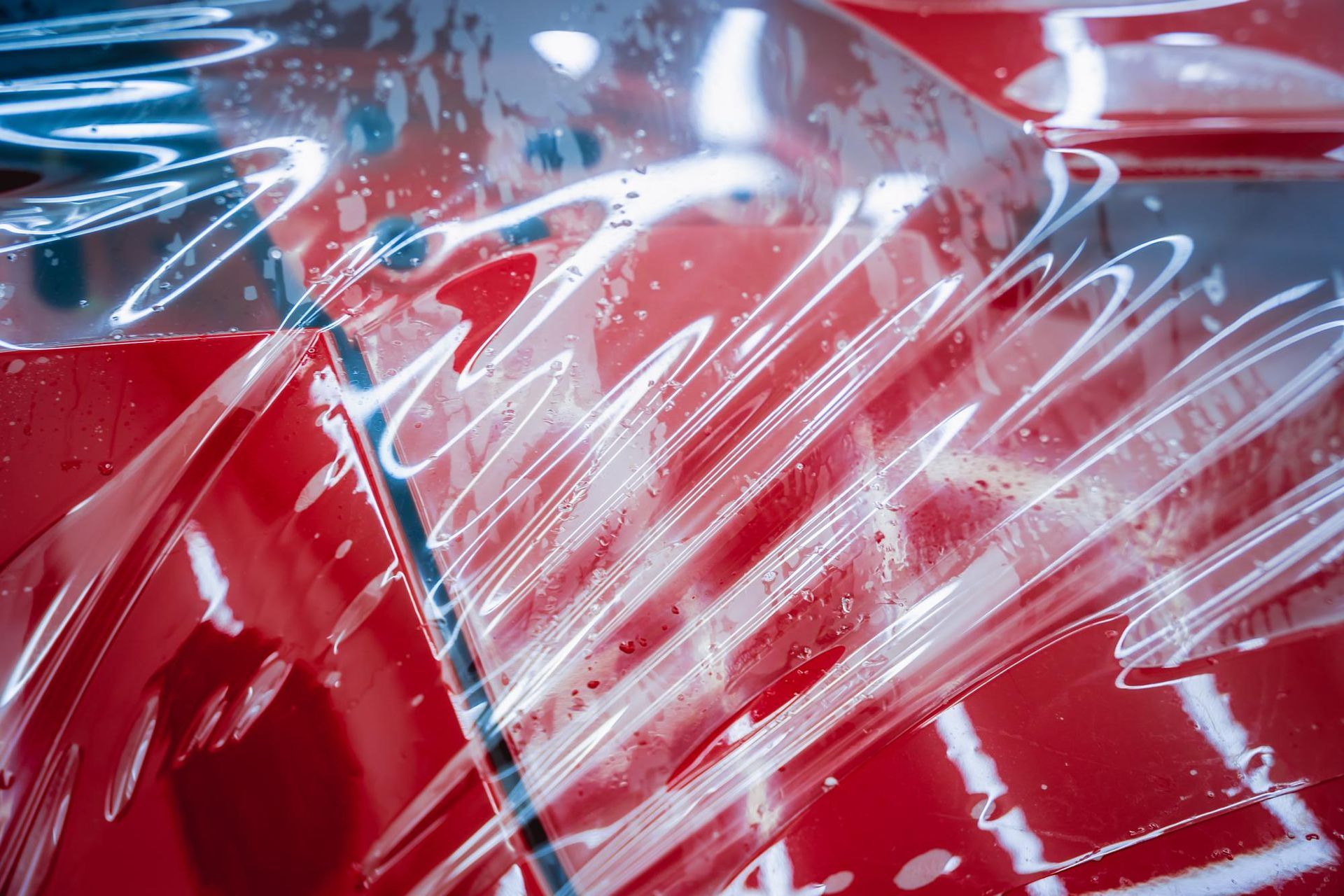
XPEL PPF handles this differently. Minor surface marks and swirl marks on the film gradually disappear on their own when heat is applied. A warm afternoon parked outside, or a pass of warm water during washing, is enough to bring the film surface back to smooth. That is the self-healing technology doing exactly what it was designed to do, and it means the everyday contact that accumulates on any vehicle does not build up the same way on a protected surface.
Stage Three: UV Damage and Color Shift
Texas delivers UV exposure year-round, not just in summer. For vehicles that park outdoors regularly - and most do - that sustained exposure adds up in ways that are slow but significant.
On unprotected paint, extended UV exposure causes:
- Gradual color fading that shifts how the paint looks over time
- Discoloration that develops unevenly depending on how different panels are exposed to the sun
- A dull, flat appearance that becomes harder to reverse the longer it goes unaddressed
This is not a dramatic event. It's a slow process, which is part of why most drivers don't connect it to UV exposure until the change is already obvious.
XPEL PPF is built with UV-resistant properties that stop this from reaching the paint. The film blocks UV before it reaches the surface underneath, preventing the fading and discoloration from developing in the first place. XPEL films have been listed by the Skin Cancer Foundation as an effective UV protectant. Our Cypress PPF service page has full details on every coverage option available.
Stage Four: Compounding Damage and Diminishing Appearance
Here is where the cost of inaction becomes clearest.
Paint damage does not stay in neat separate categories. Rock chips accumulate. UV fading develops. Surface marks build up. Over a two to three year window on a vehicle driven regularly in Texas conditions, these things overlap and compound. The paint that looked great at purchase looks measurably older than the vehicle actually is.
At that point, the vehicle's appearance has drifted noticeably from what it looked like when new. Addressing individual chips and surface wear takes time and money, and neither turns back UV fading that has already set in.
The cost of skipping PPF early is not always one large expense. More often, it's a series of smaller ones - touch-ups, surface work - that accumulate over years while the paint continues to age underneath.
So Is Paint Protection Film Worth It?
Here is an honest answer: it depends on the vehicle, how it's used, and what matters to the owner.
For a newer vehicle driven regularly in the Houston and Cypress area, the case is practical rather than aesthetic. Texas roads bring together the exact conditions that accelerate paint damage - highway debris, construction zones, year-round UV, and intense heat that stress unprotected surfaces season after season. If you are also weighing PPF against ceramic coating, our PPF vs ceramic coating guide walks through exactly how those two options differ and when combining them makes sense.
PPF does not make your vehicle indestructible. What it does is interrupt the progression at every stage described above. Rock chips stop at the film. Swirl marks heal. UV damage does not reach the paint. A vehicle protected from day one holds its appearance far better over three years of Texas driving than one that was not.
That is what paint protection film being worth it means in practical terms - not a luxury addition, but a long-term protective measure that keeps the vehicle looking the way it did when you bought it.
What Prestige Window Tinting Installs
Prestige Window Tinting is an XPEL-authorized PPF installer based in Cypress, TX, with 24+ years of experience working on all vehicle types - from everyday commuters and family SUVs to high-performance exotics including Lamborghinis, Ferraris, and Porsches.
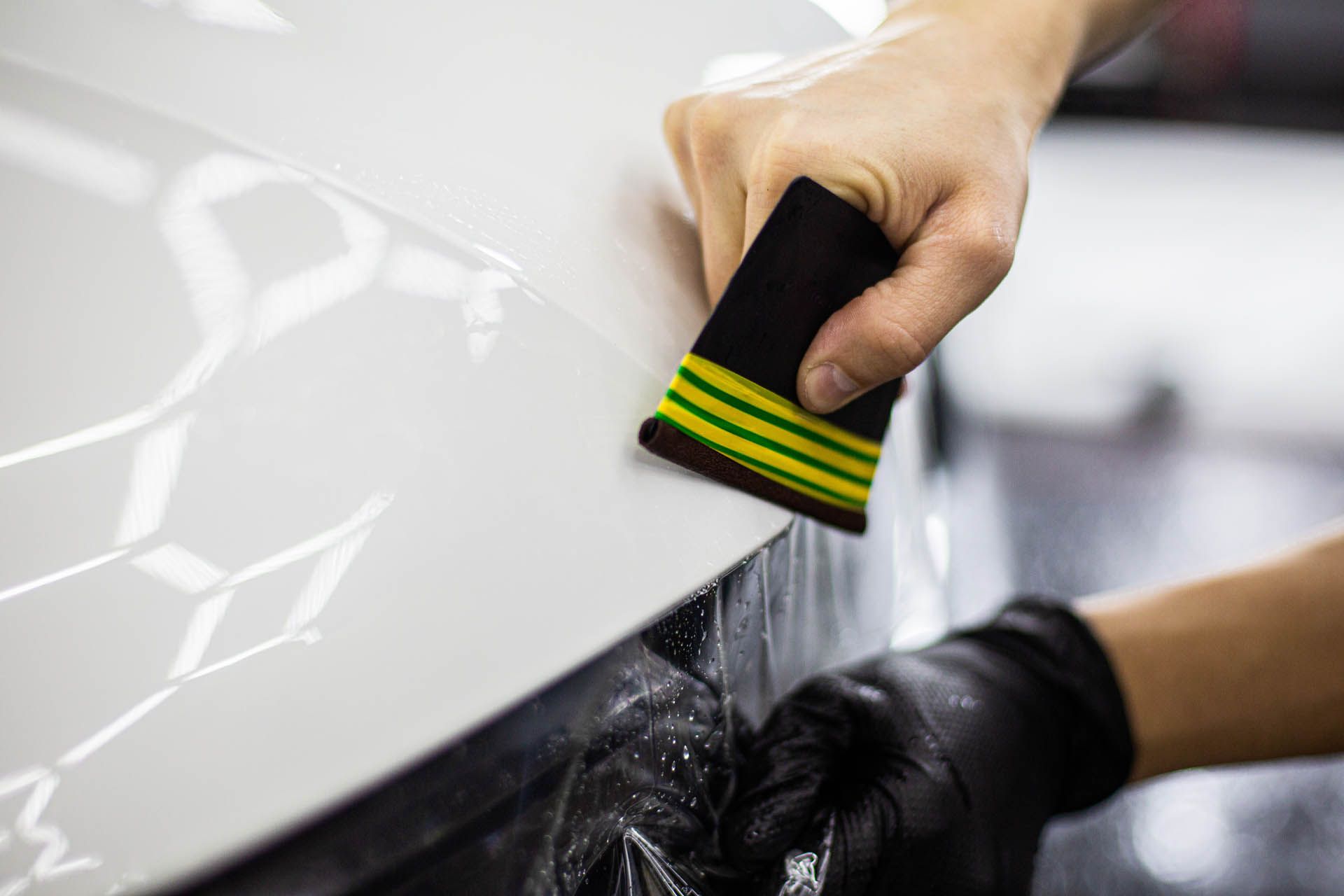
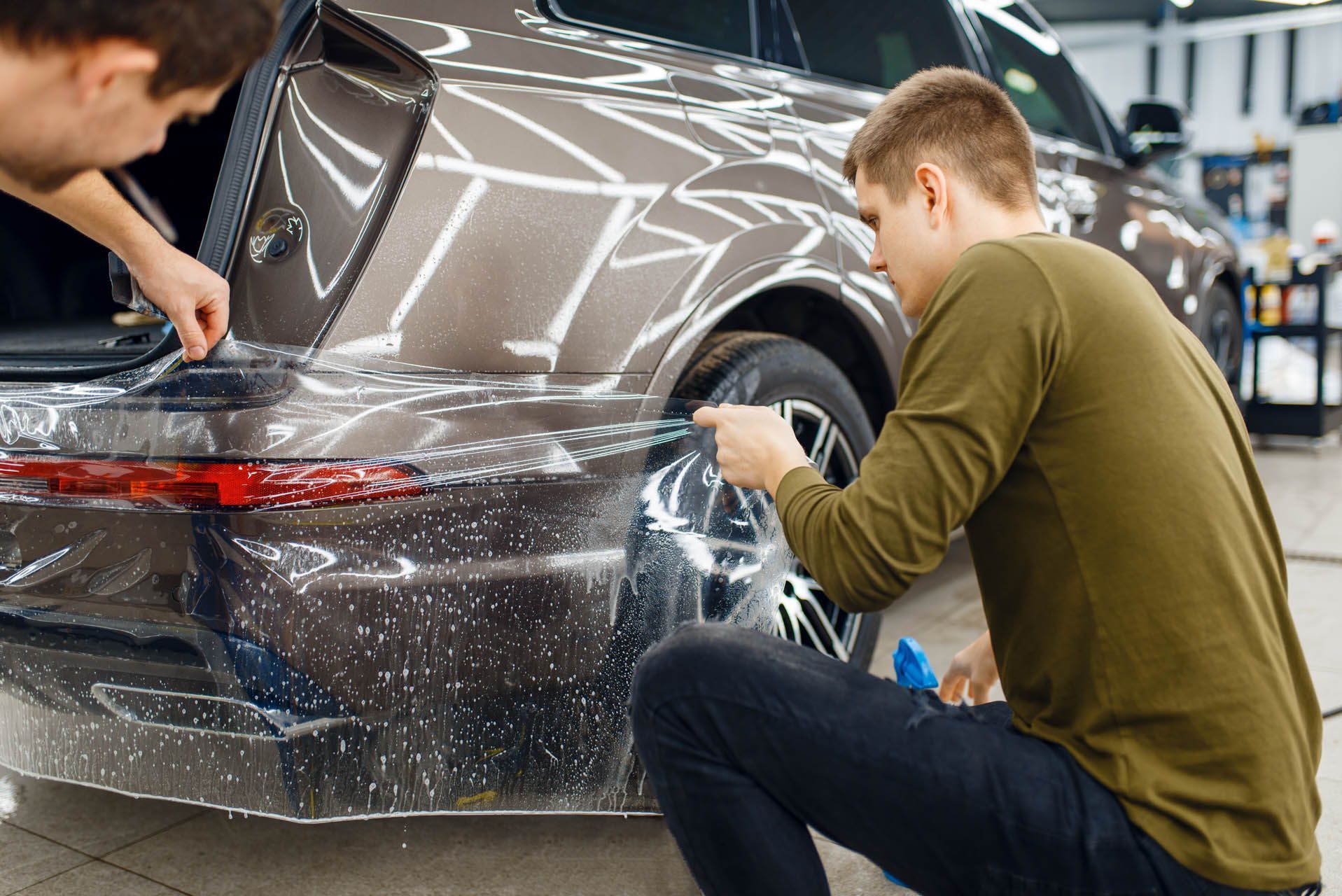
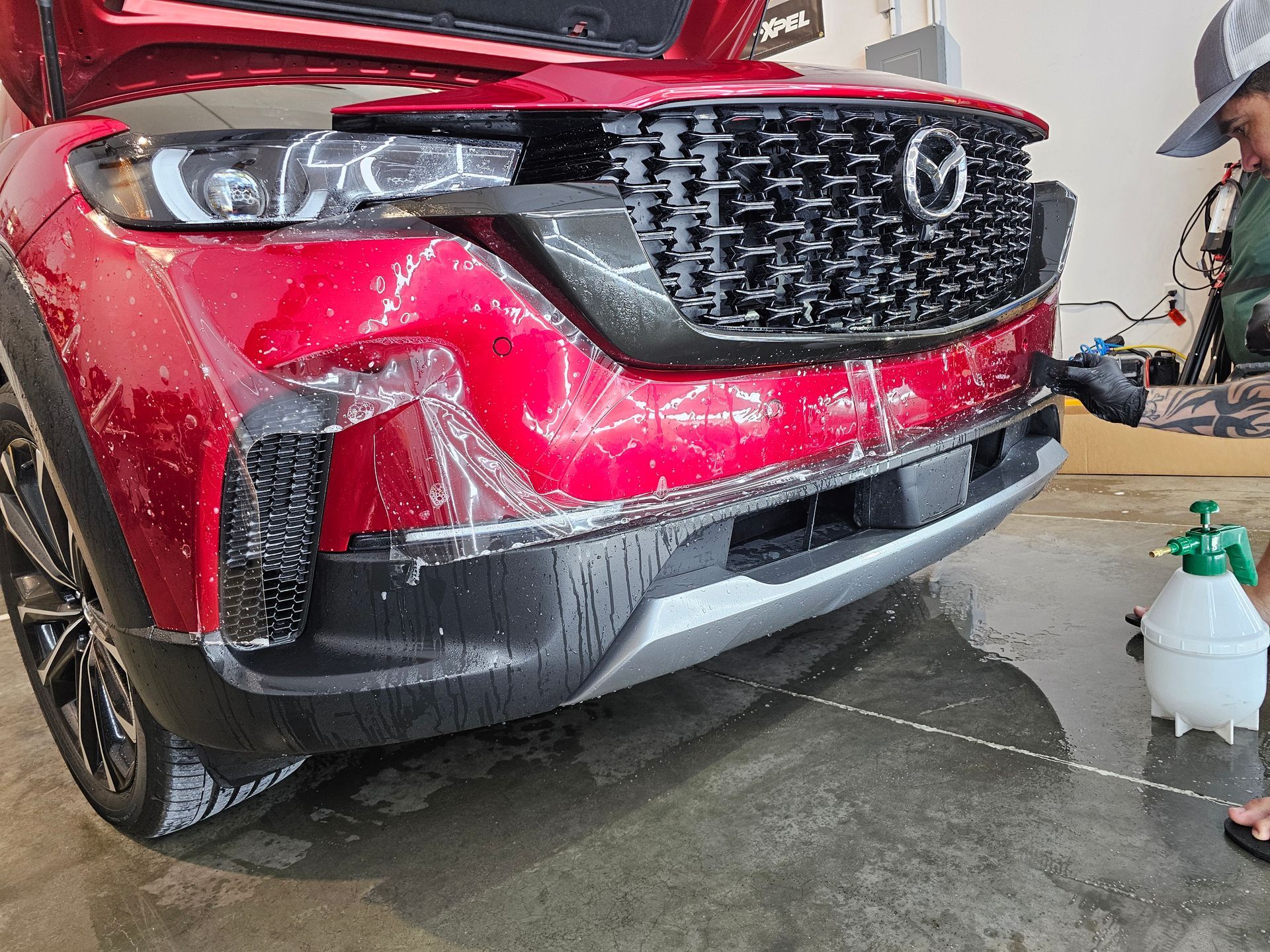
Every job is done using computer-cut software that generates a precise pattern for your vehicle's exact year, make, and model. That film is pre-cut and ready to apply before it reaches your vehicle. Every installation happens in a temperature-controlled environment to produce a consistent, well-fitted result across every panel.
When you are ready to move forward,
reach out to our team and we will help you find the right coverage for your vehicle and how you use it.
Ready to Protect Your Vehicle Before the Damage Starts?
The best time to apply PPF is before the first chip, the first swirl mark, and the first Texas summer of UV exposure. Prestige Window Tinting is here to make sure that protection is as precise and long-lasting as possible. Book your service today and give your vehicle a head start against the road.
Frequently Asked Questions
Does PPF actually prevent rock chips, or does it just reduce them?
PPF is designed to absorb the impact from road debris that causes chips - gravel, small stones, and highway material that hits the painted panels of your vehicle. The film takes the contact instead of your paint. The degree of protection depends on the size and speed of the debris, but for the typical rock chip that occurs during regular highway driving, PPF is built specifically to handle it.
How long does the self-healing effect on XPEL PPF last?
The self-healing behavior is built into the film's top coat as a material property rather than an added coating that wears away. Minor surface marks and swirl marks recover when the film is exposed to heat - sunlight or warm water - and this works throughout the life of the film. Waiting the recommended 7 days before the first wash after installation gives the film a proper start and helps it hold that performance long-term.
Is paint protection film worth it on a vehicle that already has some paint damage?
PPF protects the surface as it exists at the time of installation. It does not correct existing damage - it stops new damage from accumulating. For a vehicle with some prior wear, PPF still makes practical sense going forward. From the day the film goes on, it begins doing its job on whatever paint surface is underneath it.
Does XPEL PPF require any special maintenance?
Not really. After the 7-day curing period that follows installation, regular washing is fine. PPF creates a barrier that pushes dirt, insects, and road grime away from the surface, so the vehicle naturally stays cleaner between washes. Day-to-day care is no more involved than what you would do for any vehicle.
What is the difference between partial and full-body PPF coverage?
The difference is how much of the vehicle's surface is covered. Partial front coverage targets the panels that take the most direct debris - the bumper, partial hood, and front fenders. Full front coverage adds the complete hood, full fenders, headlights, and mirrors. Full body protection covers every panel on the vehicle. Which option makes the most sense depends on how and where the vehicle is driven most often, and our team is happy to help work through that before you commit to anything.