How Long Does Window Tint Last? What XPEL Nano Ceramic Films Offer vs the Industry Average
If you've been shopping around for window tinting, you've probably noticed a pretty wide range of options out there. Different shops, different films, different price points. And one of the most common questions that comes up - for first-time buyers in particular - is a simple one: how long does window tint actually last?
It's a fair question. And the honest answer is: it depends. Mostly on the film itself.
Window tint longevity is driven by what the film is made of, how it handles UV exposure over time, and how well it holds up against the specific conditions it's exposed to every day. In Texas, those conditions are not gentle. Intense heat, extreme UV radiation, and humidity cycles put every tint product through more stress than most other climates, and lower-grade films show that stress faster.
At
Prestige Window Tinting, we install XPEL Prime XR Black and XPEL Prime XR Plus exclusively - both nano-ceramic films built to perform long-term. This post breaks down what actually separates a premium nano-ceramic film from the alternative, and why that difference matters more in Texas than almost anywhere else.
What Determines How Long Window Tint Lasts?
Before getting into specifics, it helps to understand what actually causes window tint to fail. There are a few common culprits:
- UV degradation: Prolonged UV exposure breaks down the dyes and adhesives in lower-grade films, causing fading, discoloration, and that familiar purple tint you see on older installs.
- Heat cycling: Repeated expansion and contraction from extreme heat causes films with weaker adhesives to bubble, lift at the edges, and eventually delaminate from the glass.
- Film construction: Dyed films absorb heat rather than reject it, which accelerates internal breakdown over time. Nano-ceramic films are built around a different construction approach that significantly reduces the thermal stress the film experiences.
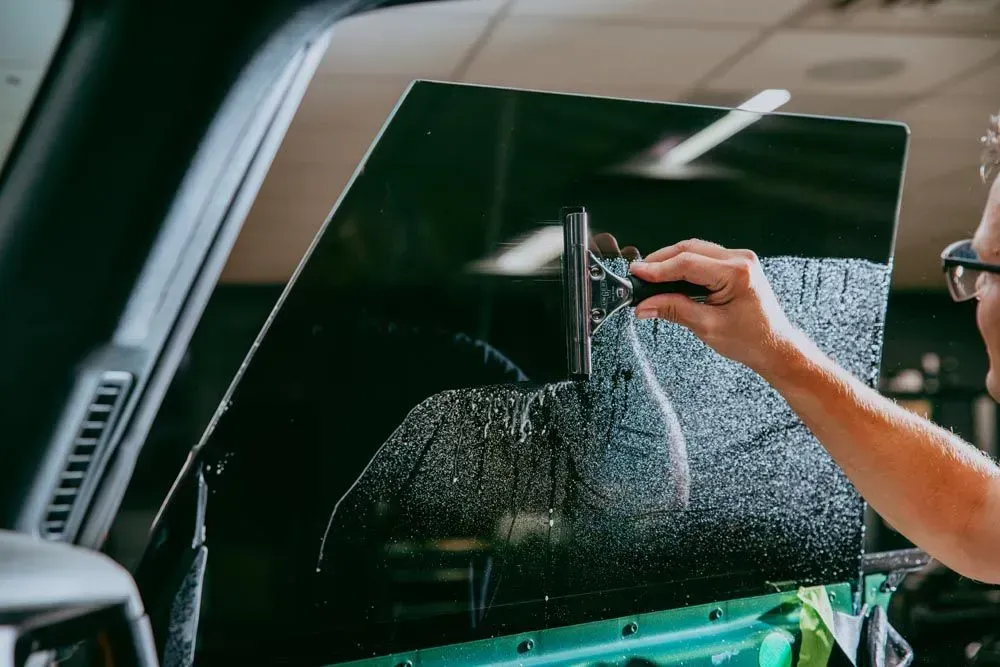
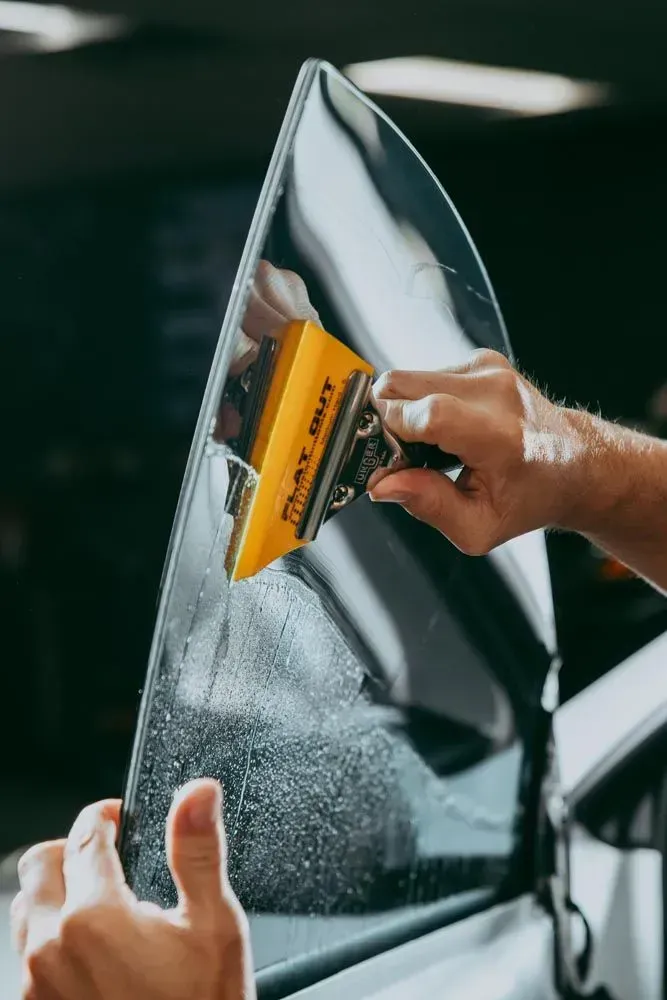
- Installation quality: Even a quality film installed without the right process won't last. Precision cutting, proper surface preparation, and careful application all play a role in how long any tint job holds up.
Texas conditions amplify every single one of these factors. A film that holds up reasonably well in a moderate climate may show visible degradation within a year or two in Houston-area heat.
How Lower-Grade Films Break Down in Texas Conditions
Most lower-grade films rely on dye-based or basic metallic construction. These films are not built to handle repeated, intense UV exposure - and Texas delivers plenty of it year-round.
Here's what typically happens over time with lower-quality films in hot climates:
- Fading and color shift: Dyed films absorb UV and begin breaking down from the inside. The tint fades from its original shade and often shifts toward a purple or brownish color. This isn't cosmetic - it's a sign the film's UV-blocking ability is failing too.
- Bubbling: Heat causes the adhesive layer in lower-grade films to weaken and release from the glass. Bubbles start small and spread. Once they begin, the process doesn't reverse.
- Edge lifting: As adhesion weakens, film begins to peel away from the edges - particularly around door frames and corners where the film flexes with window movement.
- Reduced performance: As the film degrades, its ability to reject heat and block UV rays drops. You end up with a tint that looks worn and no longer does what it was installed to do.
In moderate climates, this process can take several years. In Texas, it accelerates significantly.
Why Nano-Ceramic Construction Changes the Equation
XPEL Prime XR Black and XPEL Prime XR Plus are both built around nano-ceramic technology - and that changes how they behave under the conditions described above.
Nano-ceramic films do not use dyes. There's nothing in the construction that fades, shifts color, or degrades under UV exposure the way dyed films do. The high infrared heat rejection these films deliver comes from the nano-ceramic construction itself, not from a dye or basic metallic layer that breaks down over time.
Here's what that means in practical terms:
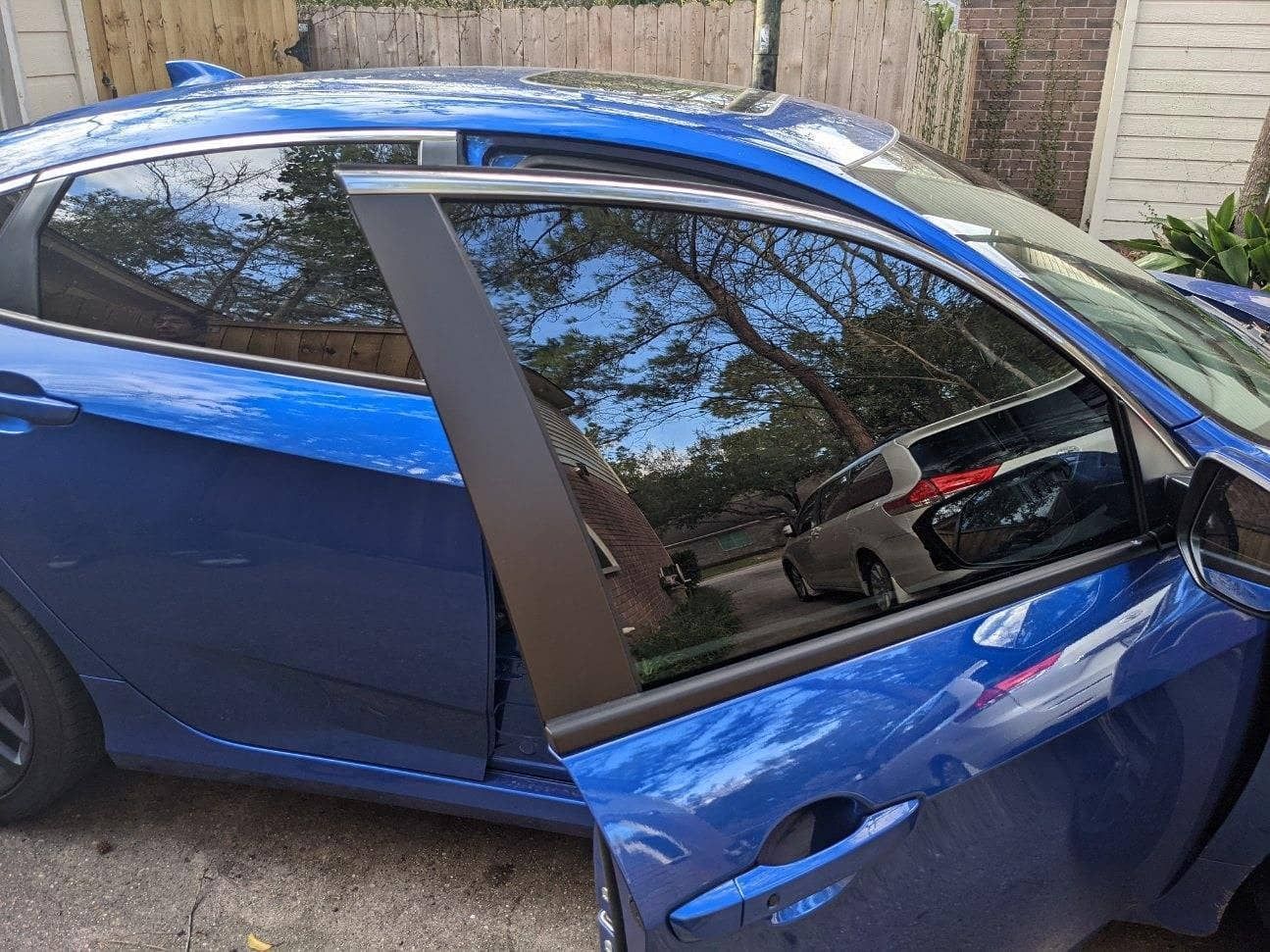
- No color shift: The film doesn't change color over time because there's no dye to break down. The shade you install is the shade you keep.
- No heat-related bubbling: Nano-ceramic construction handles heat very differently from dyed films, which means the adhesive layer isn't subjected to the same thermal stress that causes lower-grade films to bubble over time.
- Consistent UV blocking: The nano-ceramic construction maintains its UV-blocking performance because the material itself doesn't degrade the way dye-based films do.
- Long-term clarity: XPEL Prime XR Black and XR Plus both maintain their outbound visibility over time - no haziness or distortion developing with age.
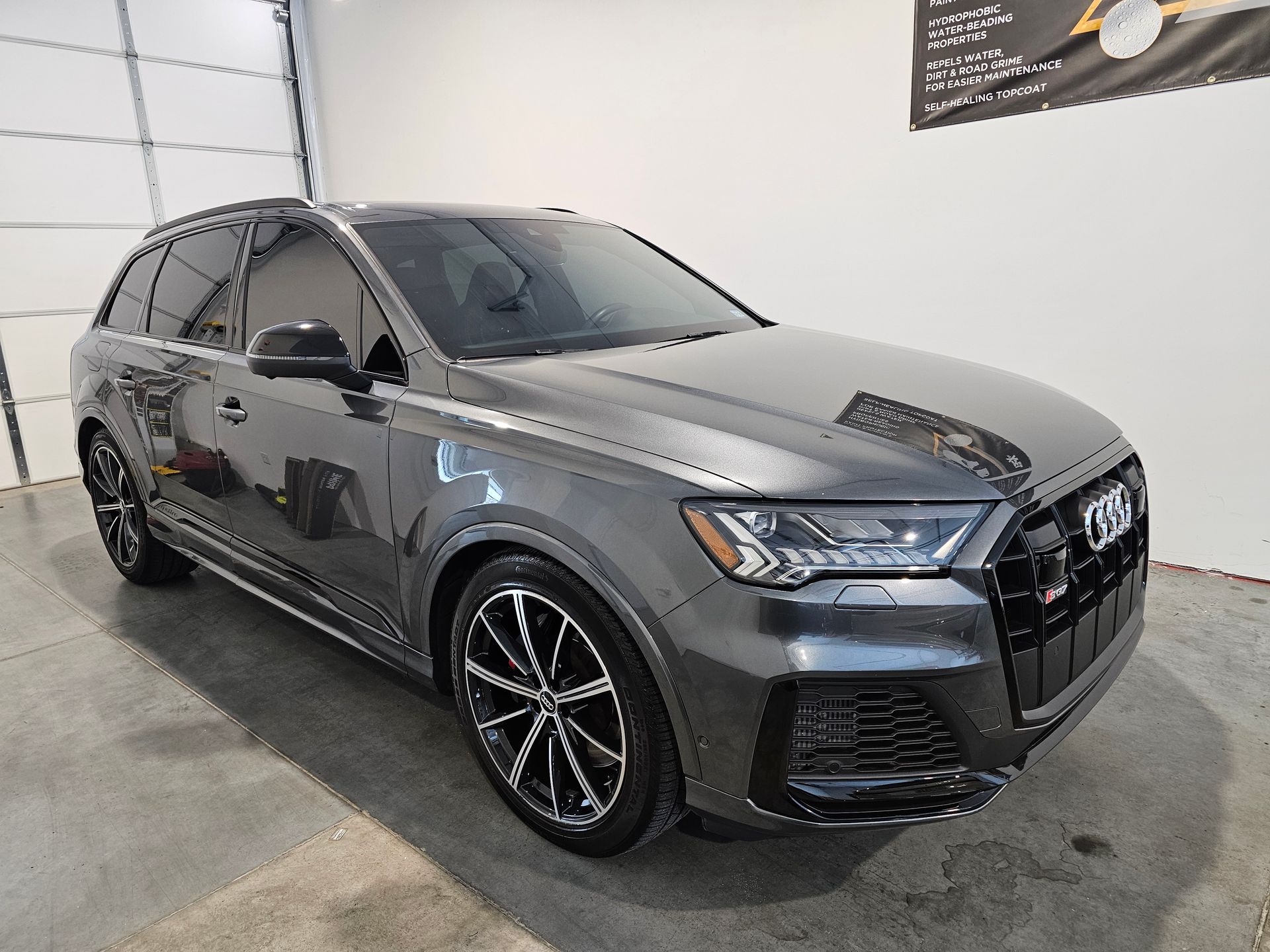
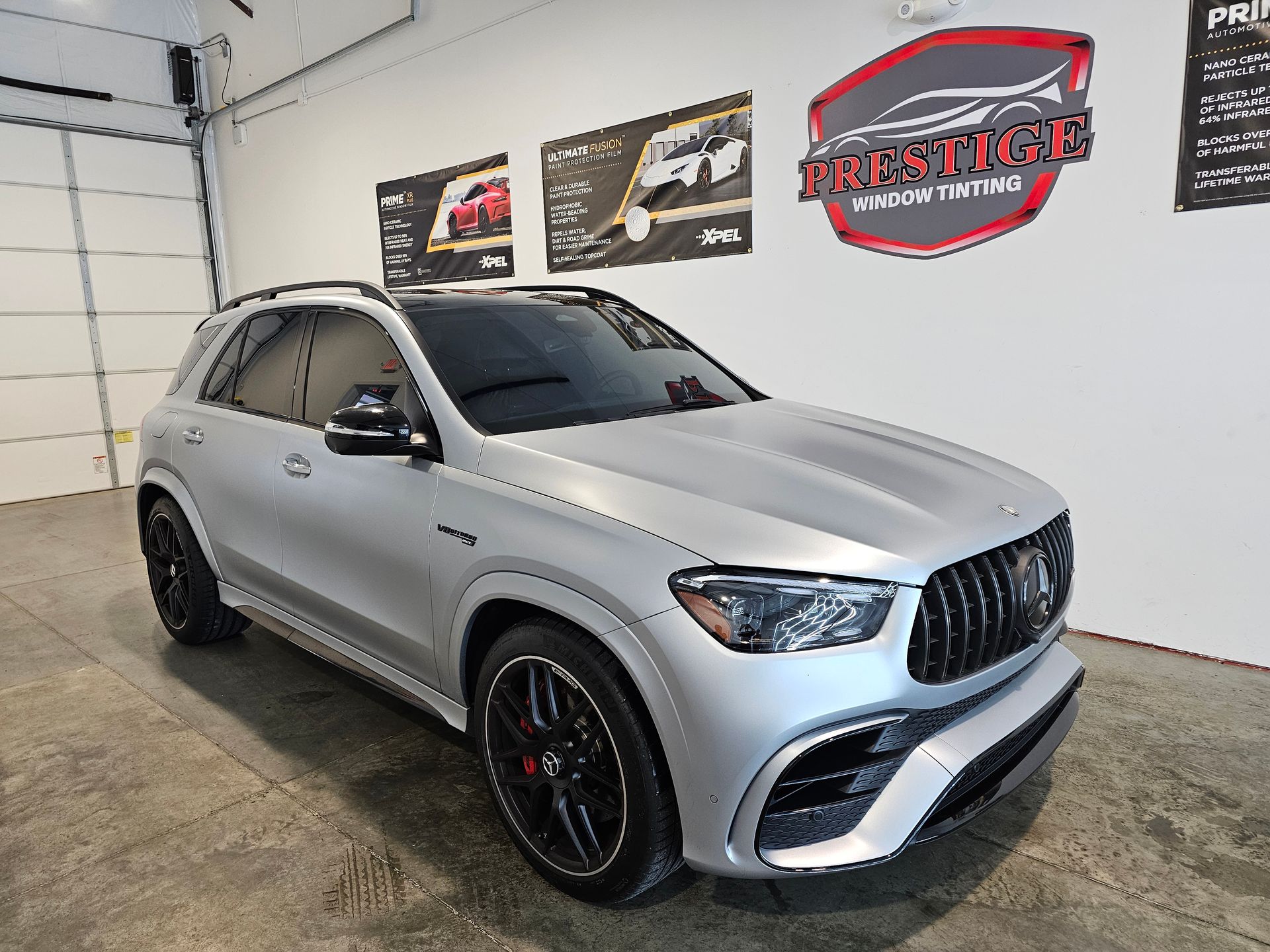
XR Black delivers 80% infrared heat rejection. XR Plus delivers 98%. Both maintain zero signal interference - no impact on GPS, Bluetooth, or cellular connectivity - and both are available in VLT options of 5, 15, 20, 30, 55, and 70.
The Cost-Per-Year Lens: How to Think About Film Value
Here's where the conversation about how long window tint lasts becomes a practical one.
A lower-grade film might cost less upfront. But if it begins degrading visibly within a year or two - fading, bubbling, losing its heat rejection - you're faced with the cost of removal and reinstallation on top of the original price. In Texas conditions, that cycle can repeat faster than you'd expect.
A premium nano-ceramic film like XPEL Prime XR Black or XR Plus carries a higher initial investment. But when you spread that cost across the years of consistent, reliable performance it delivers - and factor in that you're not replacing it - the per-year value looks very different.
It's not just about how long the film stays on the glass. It's about how long it keeps performing. A nano-ceramic film that's still rejecting 98% of infrared heat after several years of Texas summers is delivering real, measurable value every single day.
What Texas Conditions Do to Window Tint Over Time
It's worth being specific about why Texas matters here, because the climate genuinely changes the math.
The Houston area sees intense UV radiation year-round, not just in summer. Combined with extreme heat cycles, high humidity, and direct sun exposure for hours every day, tint products are under significant and consistent stress. That sustained exposure is what separates films built for long-term performance from those that aren't.
Vehicles parked outdoors take the full force of this. So do vehicles with panoramic sunroofs or large rear glass panels that allow more surface area of film to be exposed. In these conditions, the gap between nano-ceramic performance and lower-grade alternatives becomes even more apparent.
Why Professional Installation Matters as Much as the Film
A high-quality film installed poorly will still underperform. The installation process has a direct impact on how long any tint job lasts.
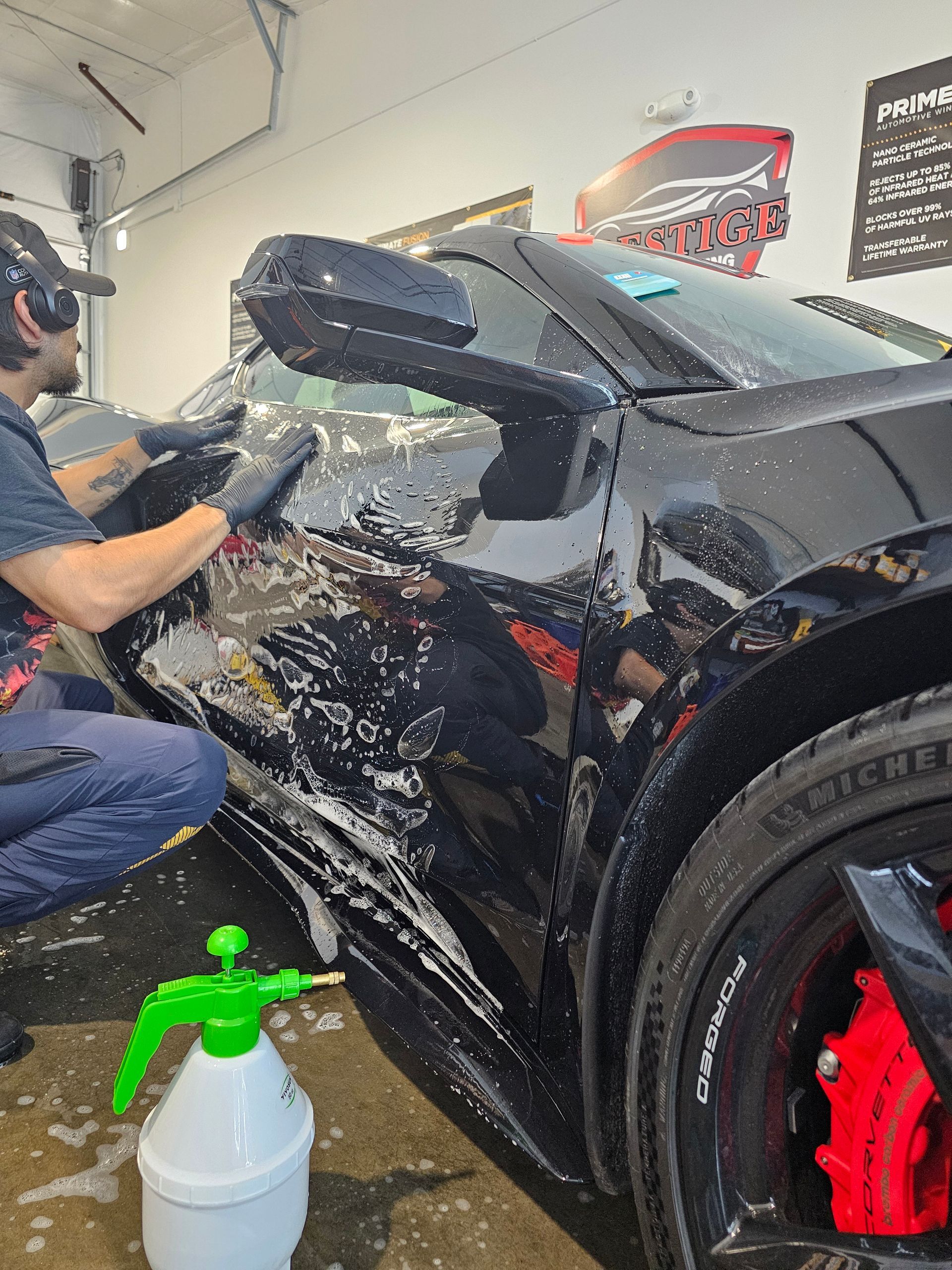
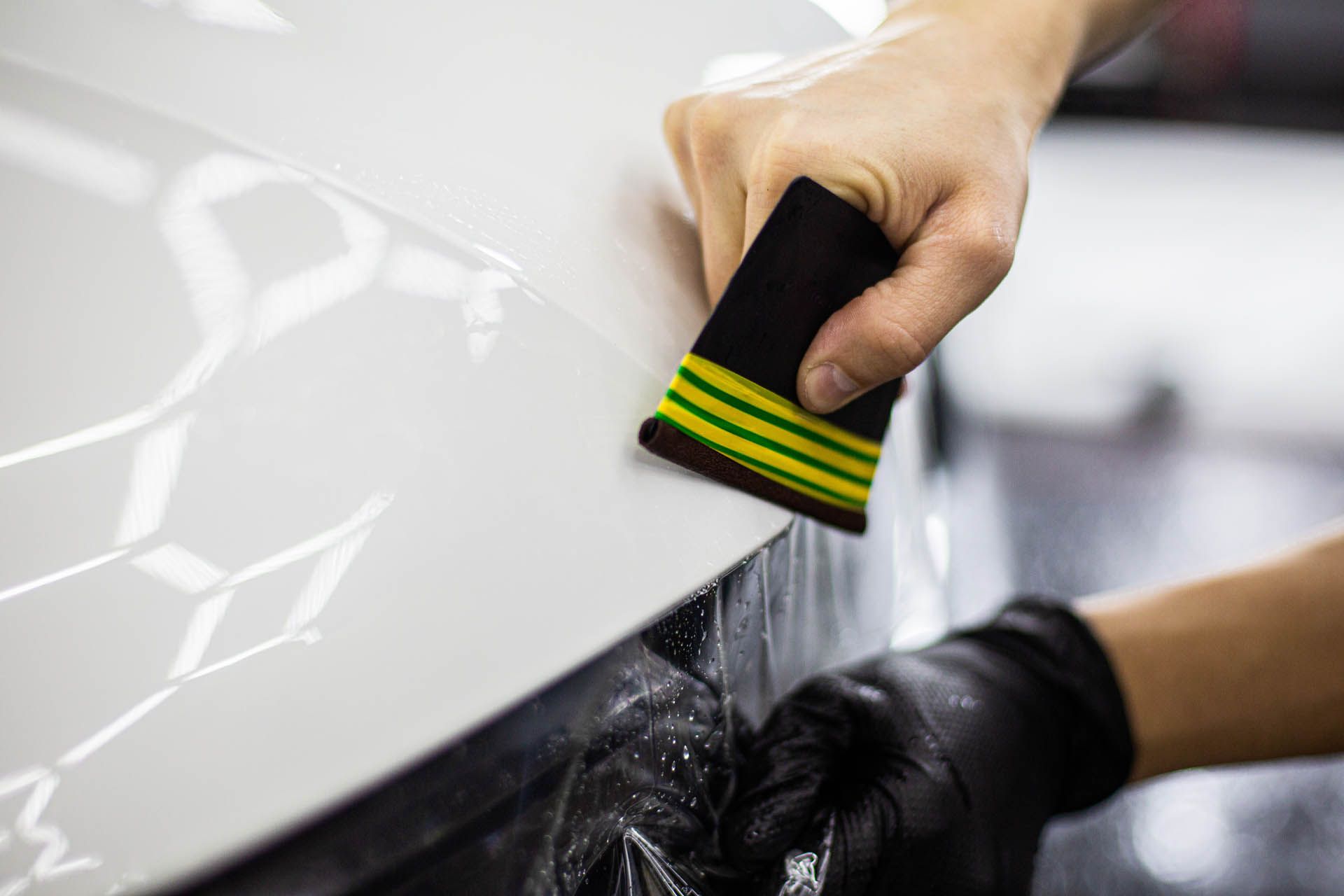
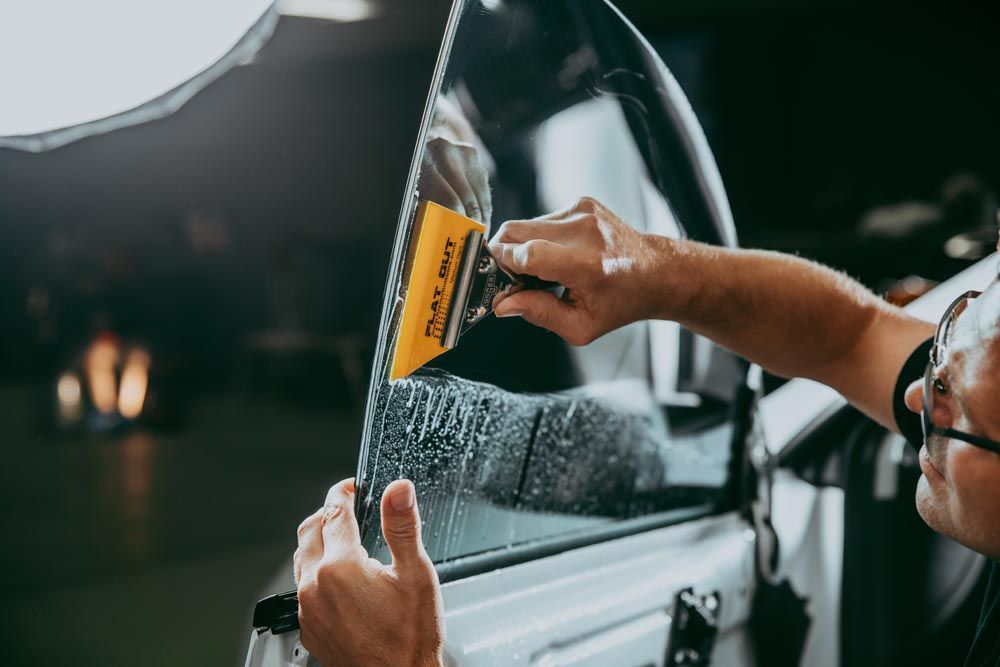
At Prestige Window Tinting, we use XPEL DAP computer-cut software for every install. Your vehicle's exact year, make, and model is used to generate a precise cut pattern before the film touches your glass. No hand-cutting on the window, no improvised trimming, no risk of edge inconsistencies that cause early lifting.
That precision, combined with 25+ years of installation experience, is part of what makes the finished product last. The right film installed the right way is the full equation.
Ready to Invest in Tint That Actually Lasts?
If you've had tint before that faded, bubbled, or stopped performing the way it should, the film was the issue - not the concept. XPEL Prime nano-ceramic films are built for the kind of longevity that makes the investment worth it, in Texas conditions specifically.
Visit our Cypress automotive window tinting page to see both XPEL film options in detail, or read more about the benefits of XPEL Prime XR Plus and how it handles heat and UV protection in real conditions.
When you're ready to book, visit Prestige Window Tinting or
schedule your appointment and let's get the right film on your vehicle.
Frequently Asked Questions
Why does window tint bubble and turn purple over time?
Bubbling and color shift are signs of film degradation - common in dyed and lower-grade films that absorb UV and heat rather than blocking them. The dye breaks down under prolonged UV exposure, causing the color to shift, and the adhesive weakens under thermal stress, causing bubbling. Nano-ceramic films like XPEL Prime XR Black and XR Plus don't use dyes, so there's nothing to fade or shift. The ceramic construction also rejects heat at the surface rather than absorbing it, which dramatically reduces adhesive stress over time.
Does window tint lose its heat rejection ability over time?
With dye-based films, yes. As the dye breaks down, the film's ability to block UV and heat degrades alongside the visible appearance. With nano-ceramic films, the heat rejection is tied to the ceramic construction itself - not a dye layer - so it doesn't degrade the same way. XPEL Prime XR Black and XR Plus maintain their infrared heat rejection performance because the material that does the work doesn't break down under the conditions that destroy dyed films.
How does Texas heat affect window tint differently than other climates?
Texas delivers some of the most sustained and intense UV exposure in the country, combined with extreme heat cycles and humidity. These conditions accelerate degradation in films that aren't built for them. A film that holds up for several years in a moderate climate may begin showing visible wear much sooner under Houston-area conditions. Nano-ceramic construction handles these stressors significantly better because it rejects heat rather than absorbing it and uses no dyes that UV can break down.
Is XPEL film worth the investment over other options?
The right way to think about it is cost per year of performance, not upfront cost. A film that needs to be replaced in a year or two because it's faded, bubbled, or lost its heat-blocking ability ends up costing more in total than a premium nano-ceramic film that keeps performing consistently over a much longer period. In Texas conditions specifically, that gap is meaningful. XPEL Prime XR Black delivers 80% infrared heat rejection and XR Plus delivers 98% - and that performance is backed by nano-ceramic construction that doesn't degrade the way lower-grade alternatives do.
Does window tint affect GPS or Bluetooth signals?
Not with XPEL nano-ceramic films. Both XPEL Prime XR Black and XR Plus use non-metallic ceramic construction that is fully transparent to radio frequencies. GPS, Bluetooth, cellular signals, and any other wireless features in your vehicle are completely unaffected. This is one of the important practical advantages nano-ceramic films have over older metallic-based tints, which were known for signal interference issues.