Paint Protection Film vs Ceramic Coating: Which Does Your Vehicle Actually Need?
You're doing your research before spending money on vehicle protection. Good. Because a lot of people get these two products confused, and some end up spending money on the wrong one for their situation.
Paint protection film vs ceramic coating is one of the most common questions that comes up for vehicle owners who want to protect their investment. Both products sound similar on the surface. Both go on your vehicle. Both offer some type of protection. But they do fundamentally different things, and the right choice depends entirely on what you're trying to protect against.
This post breaks it down honestly, without pushing you toward a specific answer. The goal is to help you understand what each product actually does so you can make the right call for your vehicle and how you drive it. If you want to skip straight to talking through your options, Prestige Window Tinting is here to help.
What Paint Protection Film Actually Does
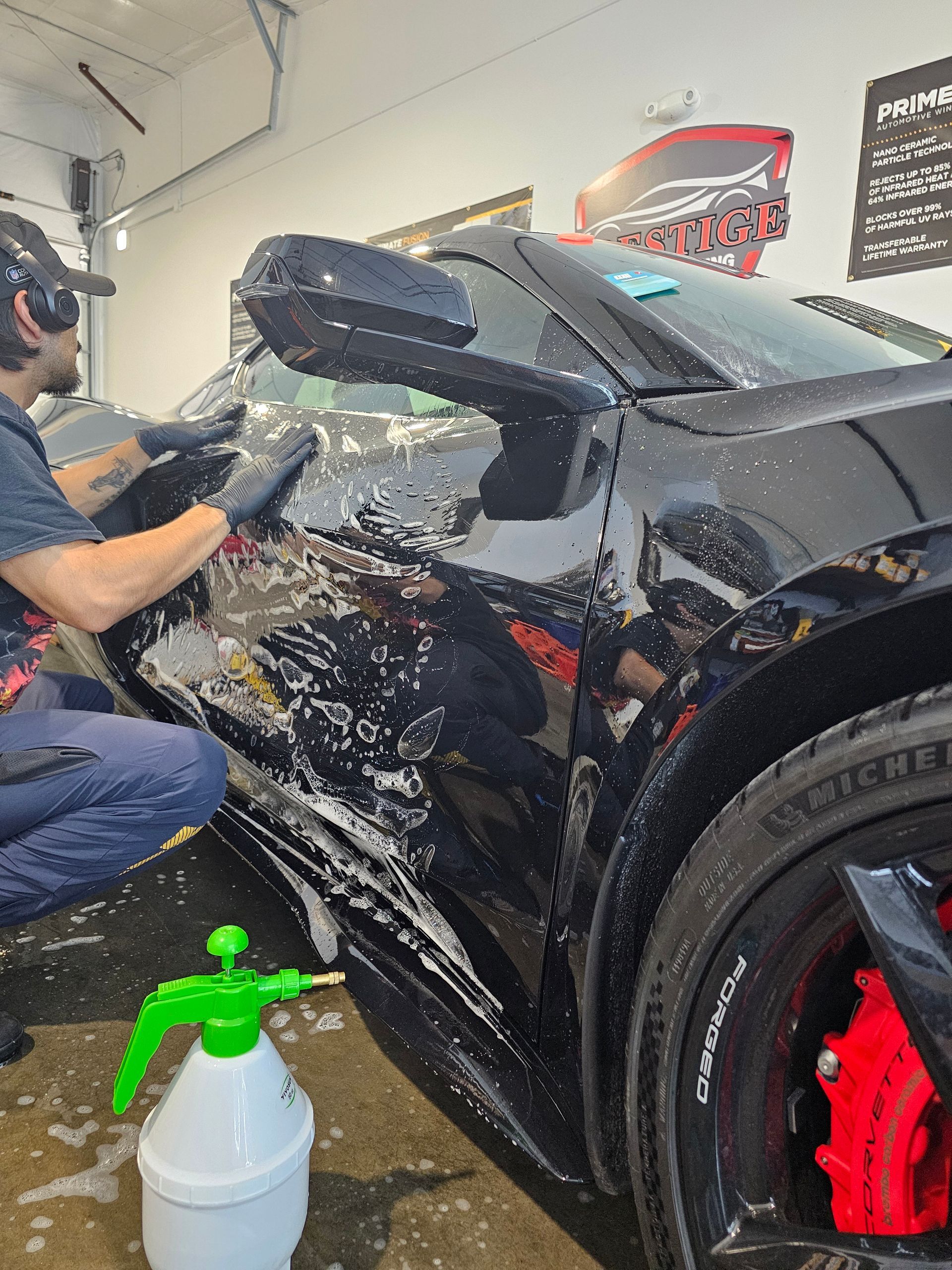
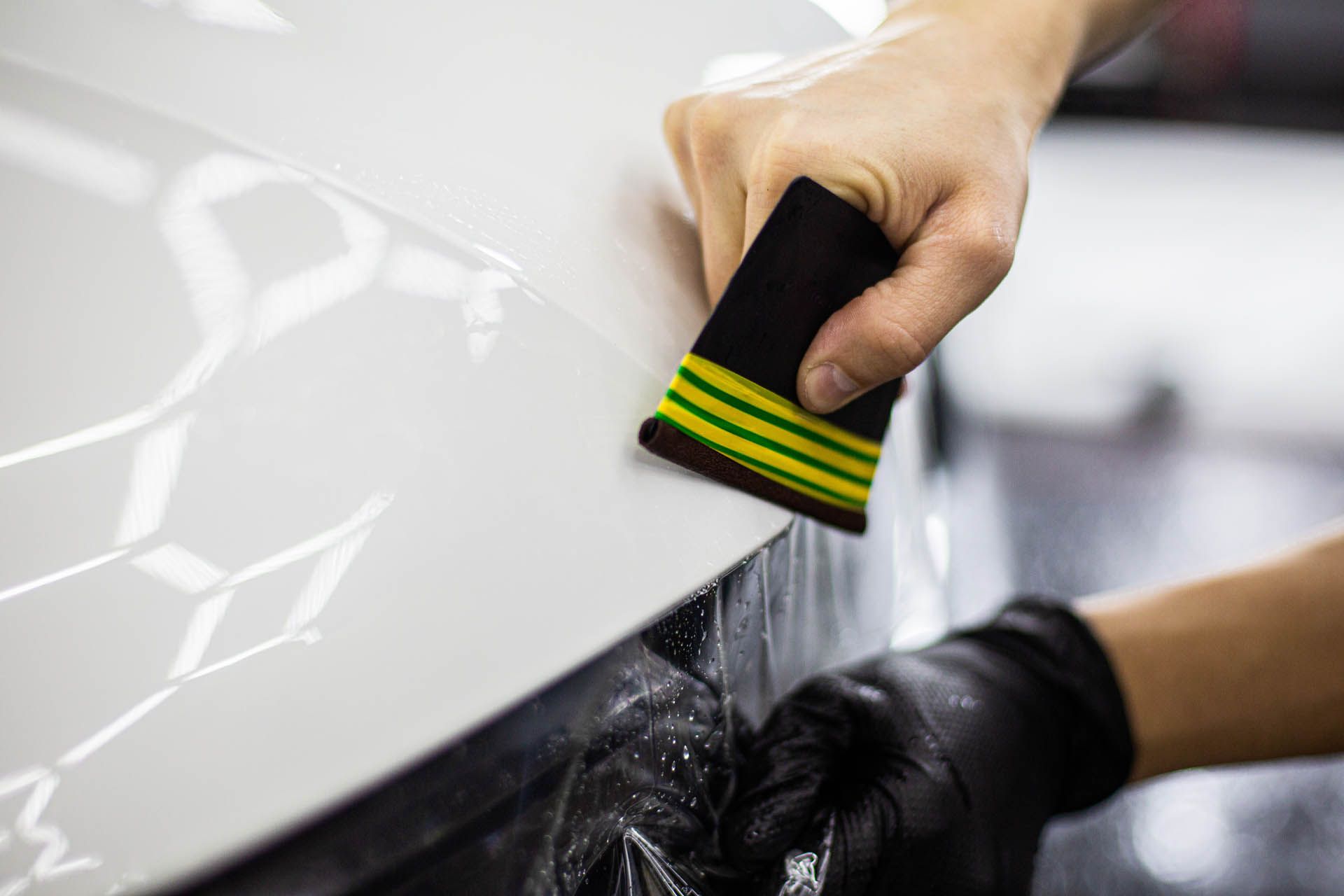
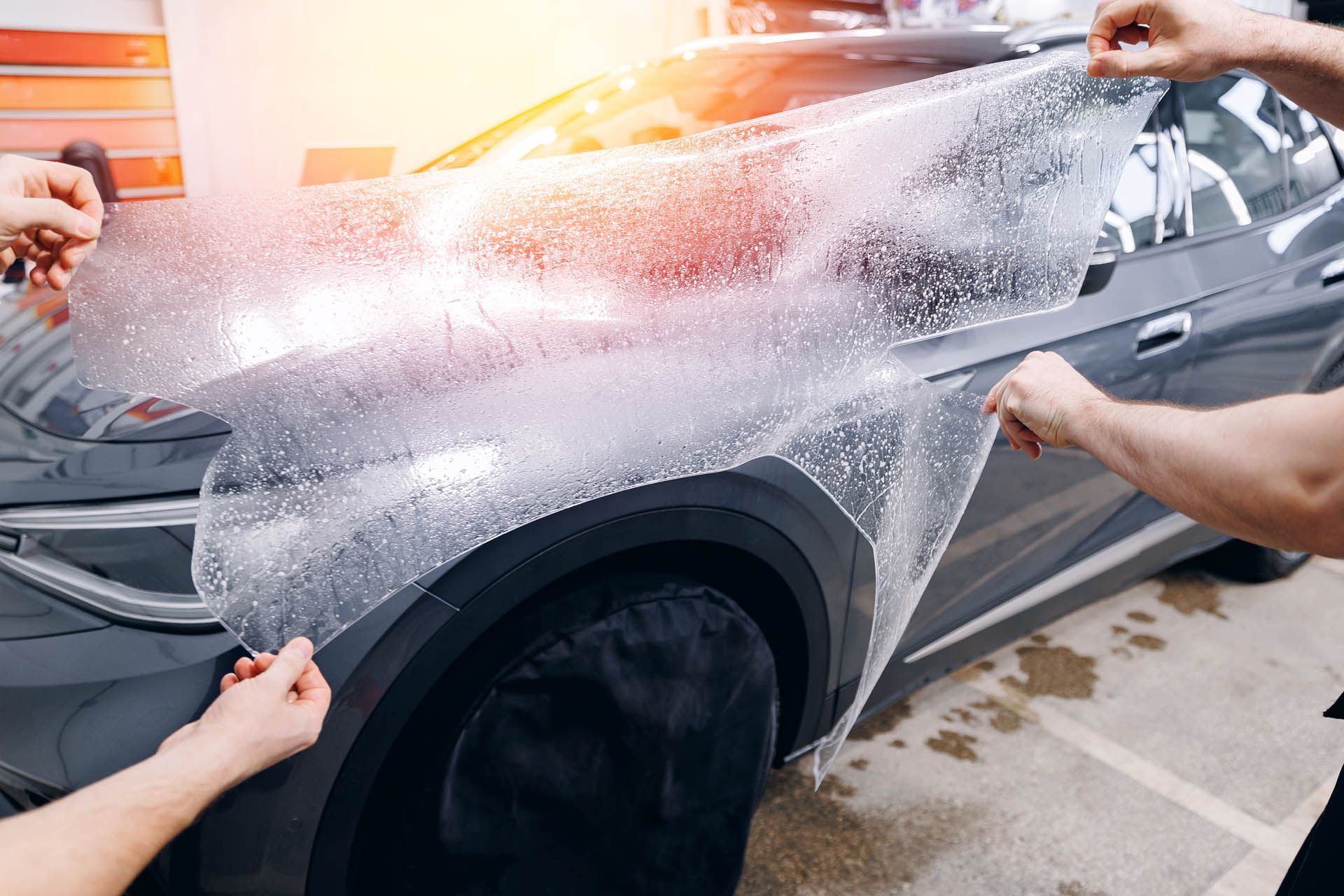
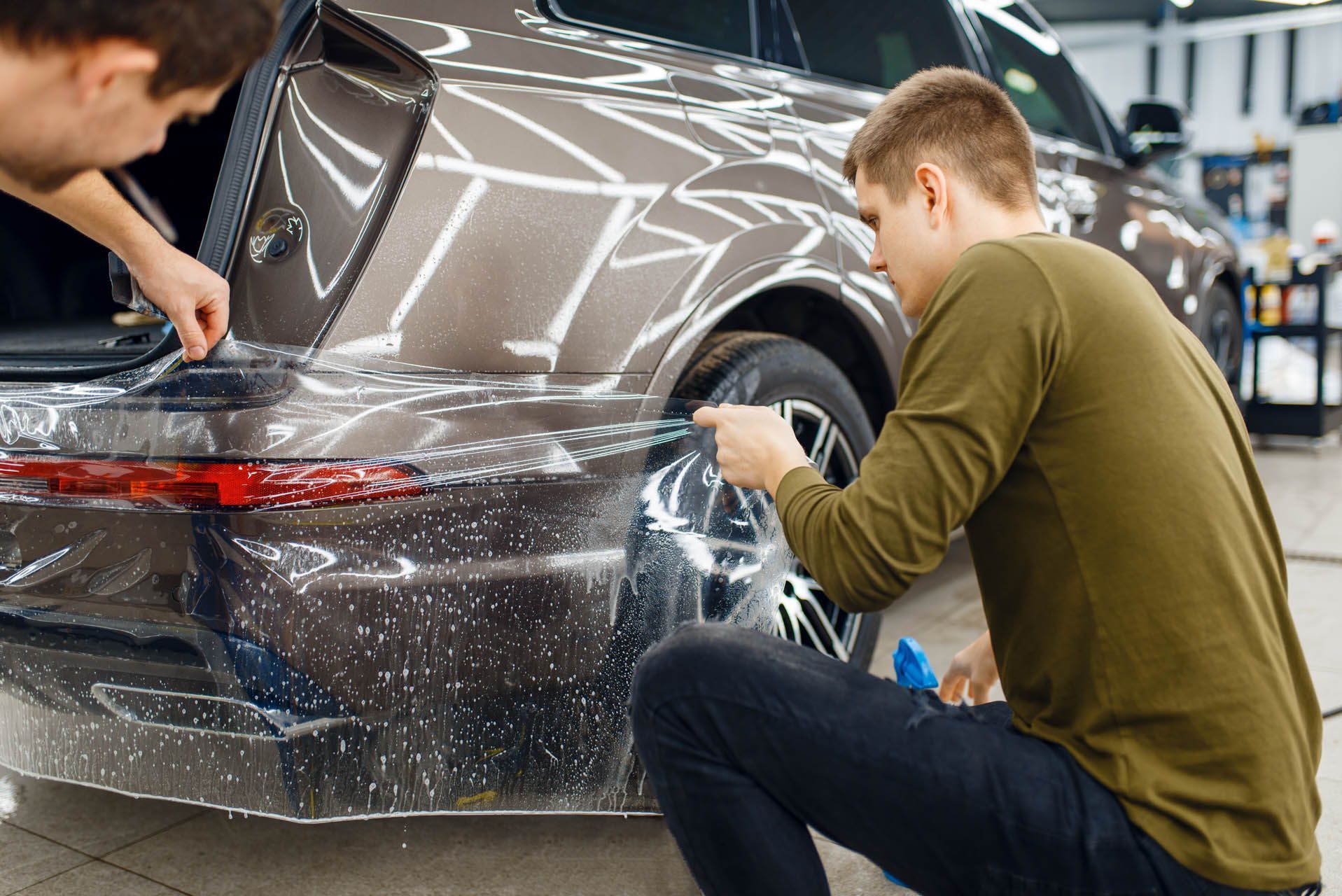
Paint protection film, or PPF, is a physical barrier. It's a thick, durable film that bonds to your vehicle's paint surface and takes the physical hit so your paint doesn't have to.
Paint protection film has been around long enough to have a proven track record across all types of vehicles and road conditions. The technology has been refined specifically to protect vehicle paint from rock chips, gravel, surface marks, and other physical road hazards that accumulate over time.
Here's what PPF genuinely handles:
- Rock chips and gravel that hit the front bumper, hood, and fenders at highway speed
- Surface marks and swirl marks from everyday contact
- Road debris that would otherwise leave lasting marks in your vehicle's paint
- UV exposure that causes paint fading and discoloration over time
- Bug splatter and road grime that bonds to unprotected paint
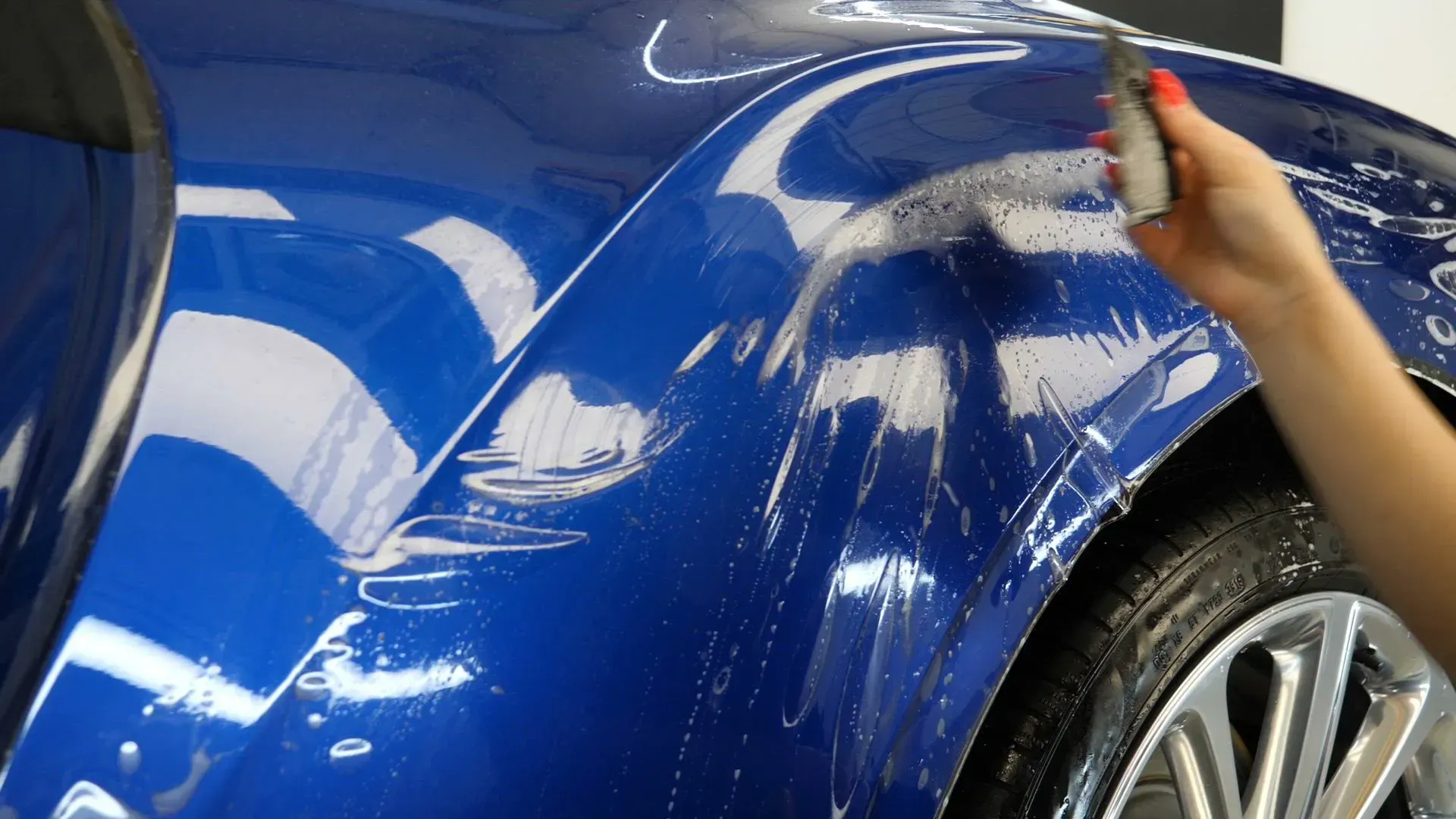
The other thing quality PPF does that nothing else does: self-healing. Minor surface marks on the film gradually disappear on their own when the film is exposed to heat, whether that's sunlight or warm water. The film returns to a smooth surface without any intervention.
PPF is also virtually invisible once professionally installed. When it's computer-cut to match your vehicle's exact specifications and applied properly, it blends with your paint without any visible trace. See the full range of XPEL PPF packages on our Cypress PPF service page.
What Ceramic Coating Actually Does
Ceramic coating is a chemical treatment, not a physical film. It bonds to your vehicle's paint surface and creates a hard, hydrophobic outer layer. That means water and contaminants bead off rather than soaking in or bonding to the paint.
Here's what ceramic coating genuinely handles:
- Water and moisture beading, making the surface easier to clean
- Chemical contaminants like bird droppings, tree sap, and road chemicals that would otherwise etch into unprotected paint
- UV protection that helps slow paint fading over time
- Gloss enhancement that makes the paint appear deeper and shinier
What ceramic coating does not do: it does not provide meaningful physical impact protection. A ceramic-coated surface that gets hit by a rock at highway speed will still chip. The coating is hard, but it's thin, and it's not designed to absorb physical impact. That's not what it's for.
The Core Difference: Physical vs Surface Protection
This is the framing that makes the whole comparison clear.
PPF = physical impact protection. It absorbs and deflects the things that physically hit your paint: debris, chips, surface contact. It also self-heals minor surface marks and provides UV protection as an additional benefit.
Ceramic coating = surface chemical and UV protection. It makes your paint hydrophobic, easier to clean, and more resistant to chemical contaminants and UV exposure. It enhances gloss. It does not stop a rock chip.
Neither product replaces the other. They protect against different things.
Which One Does Your Vehicle Actually Need?
There's no universal right answer here. It depends on your vehicle, where you drive, and what concerns you most.
PPF Makes More Sense When:
- You drive frequently on highways where road debris is a constant reality
- Your vehicle is newer and you want to protect the factory paint from day one
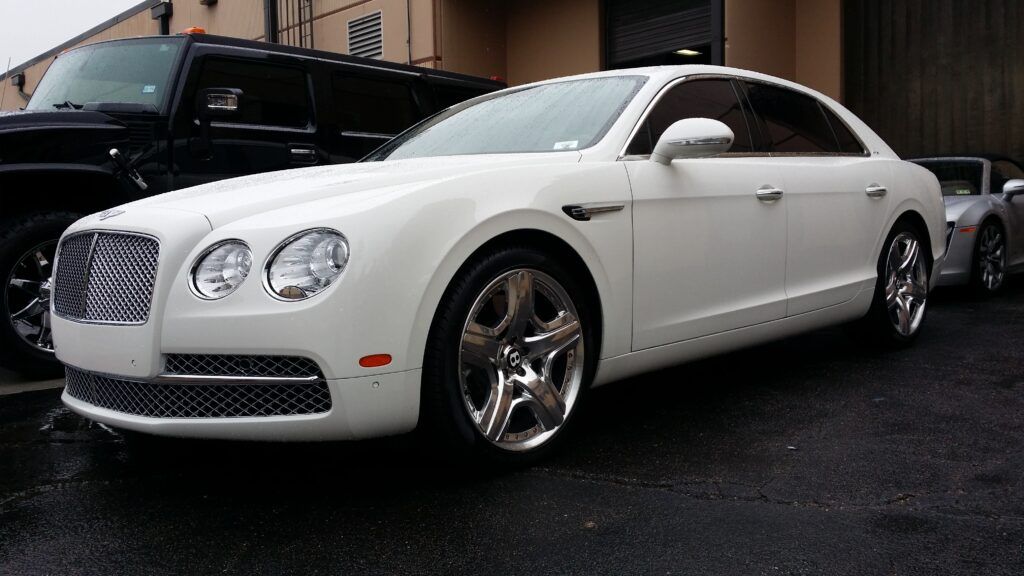
- You have a high-value or luxury vehicle where protecting the factory paint from day one matters most
- You deal with gravel roads, construction zones, or any road surface that regularly kicks up material
- You want the protection to physically absorb damage rather than just resist surface contamination
Ceramic Coating Makes More Sense When:
- Your primary concern is keeping the vehicle clean and easy to wash
- You want enhanced gloss and a deeper paint appearance
- You want chemical and UV protection without full film coverage
- The vehicle isn't exposed to heavy highway debris regularly
When Both Makes Sense:
A lot of owners of high-end vehicles in Texas end up doing both, and there's a clear reason for it. PPF handles the physical protection that ceramic coating does not provide. Ceramic coating applied over PPF makes the film surface easier to clean, enhances its appearance, and adds another layer of surface protection on top.
In Texas specifically, year-round UV exposure, intense heat, and road conditions across the Houston and Cypress area make the combination genuinely practical rather than excessive. If you're protecting a Porsche, a luxury SUV, or any vehicle where you want complete coverage, combining both addresses everything at once.
Reach out to our team to talk through which approach fits your vehicle best.
What Prestige Window Tinting Installs
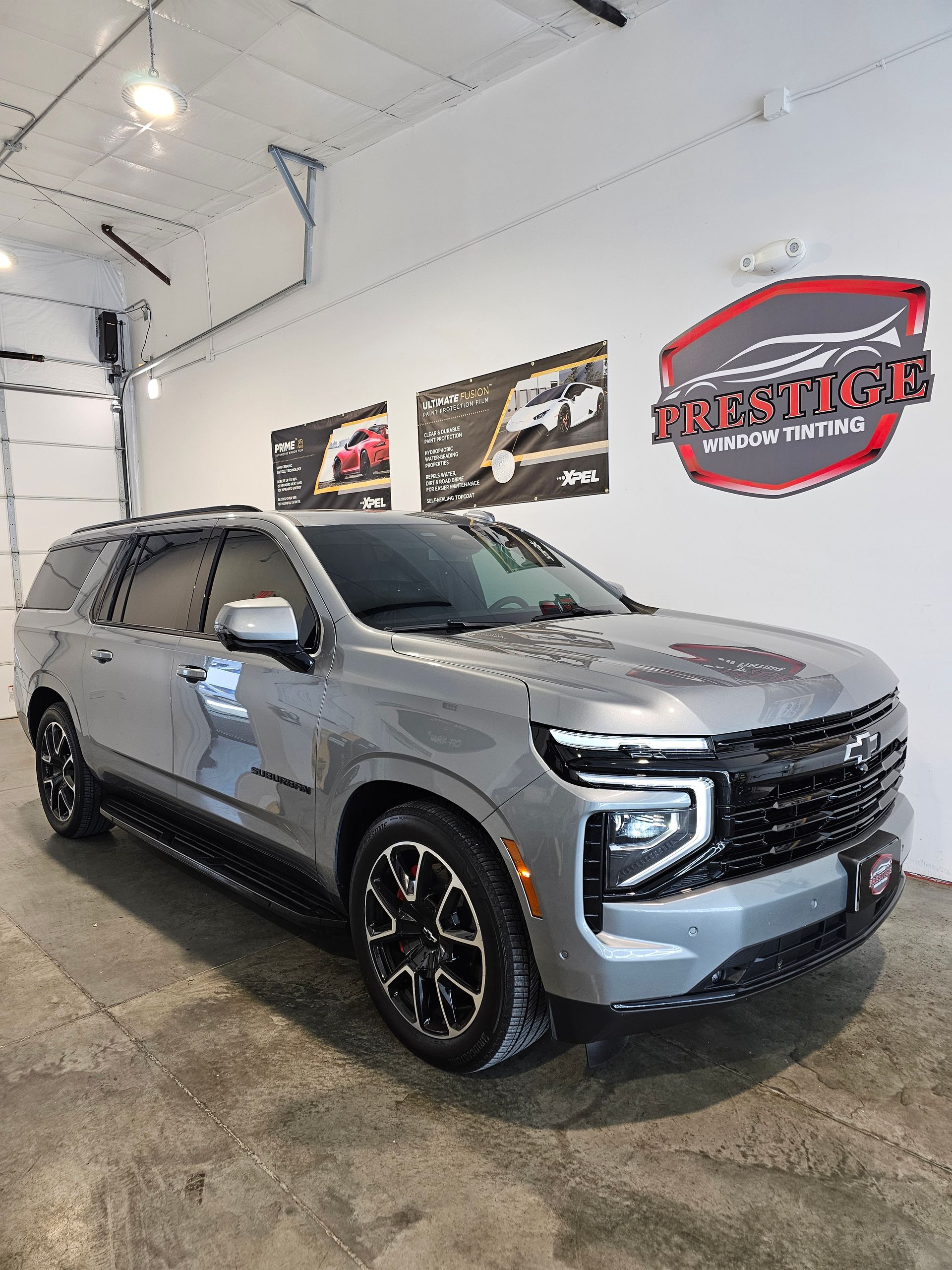
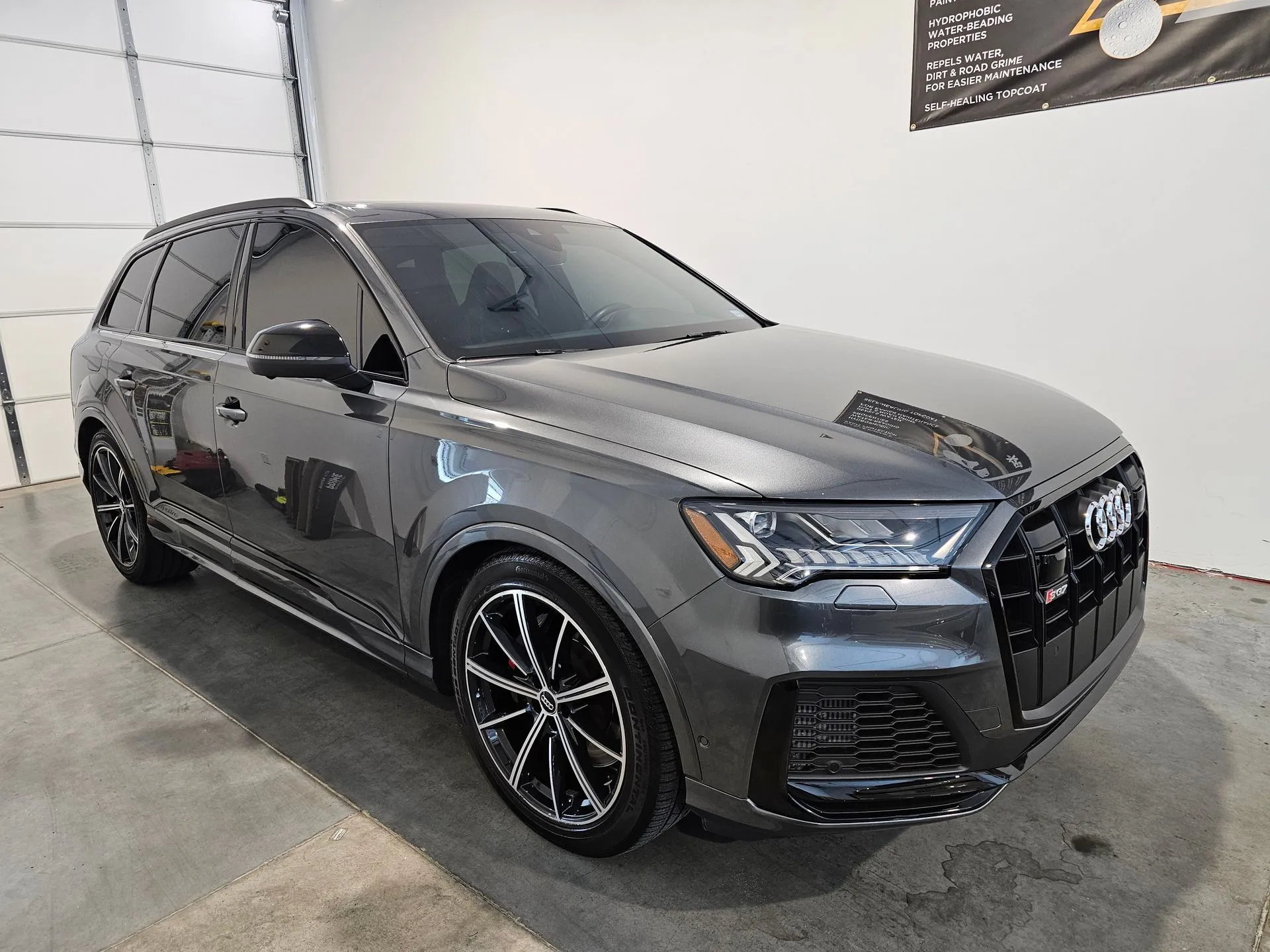
At Prestige Window Tinting in Cypress, TX, we specialize in XPEL paint protection film. We are an XPEL-authorized dealer with 24+ years of experience installing PPF on all types of vehicles, from daily drivers to high-performance exotics including Lamborghinis, Ferraris, and Porsches.
Every install uses computer-cut software matched to your vehicle's exact year, make, and model, and every job is done in a temperature-controlled environment. The result is a precise, clean install that performs the way PPF is designed to perform long-term.
If you're weighing your options and want to talk through what makes sense for your specific vehicle and driving situation, we're happy to help you figure it out before you commit to anything.
Ready to Protect Your Vehicle the Right Way?
Whether PPF is the right fit for your vehicle or you want to understand your options before deciding, Prestige Window Tinting is here to give you straight answers. Book your consultation today and get expert guidance on what your vehicle actually needs.
Frequently Asked Questions
Can I have both PPF and ceramic coating on the same vehicle?
Yes, and it's a combination that makes a lot of sense for high-value vehicles. PPF handles physical protection from rock chips, debris, and surface contact, while ceramic coating adds a hydrophobic surface layer that makes the vehicle easier to clean and adds gloss. When ceramic coating is applied over PPF, it protects the film's surface and enhances its appearance. For vehicles in Texas where UV exposure, road debris, and heat are all constant factors, combining both gives you the most complete protection available.
Does ceramic coating prevent rock chips?
No. This is one of the most common misconceptions about ceramic coating. The coating creates a hard, hydrophobic surface that resists chemical contaminants, water, and UV exposure, but it is not designed to absorb physical impact. A rock hitting a ceramic-coated surface at highway speed will still chip the paint. If rock chip protection is your primary concern, PPF is the product built for that job.
Is PPF worth it on a daily driver, not just luxury vehicles?
Absolutely. The road conditions that cause paint damage don't care what the vehicle costs. Rock chips, gravel, and UV exposure happen to every vehicle on the road. PPF is a practical investment on any newer vehicle where you want to protect the factory paint from daily wear. The self-healing technology and UV protection it provides are just as valuable on a daily truck or family SUV as they are on an exotic car.
How long does paint protection film last compared to ceramic coating?
PPF and ceramic coating have different longevity profiles based on their construction, and specific lifespan figures vary depending on the product, installation quality, and conditions the vehicle is exposed to. What's worth understanding is that professionally installed XPEL PPF is built for long-term performance under the kind of UV exposure and road conditions Texas delivers year-round. For specific information on what you can expect from XPEL PPF, the best approach is to talk directly with an installer who knows the product.
Do I need to do anything special to maintain PPF after installation?
The main thing to plan for is waiting at least 7 days after installation before washing. This gives the film time to fully cure and bond to the paint surface. After that, regular washing is fine. The film's surface repels dirt, bugs, and road grime, which actually makes the vehicle easier to maintain than unprotected paint. After the initial curing period, PPF doesn't require any unusual ongoing care.